

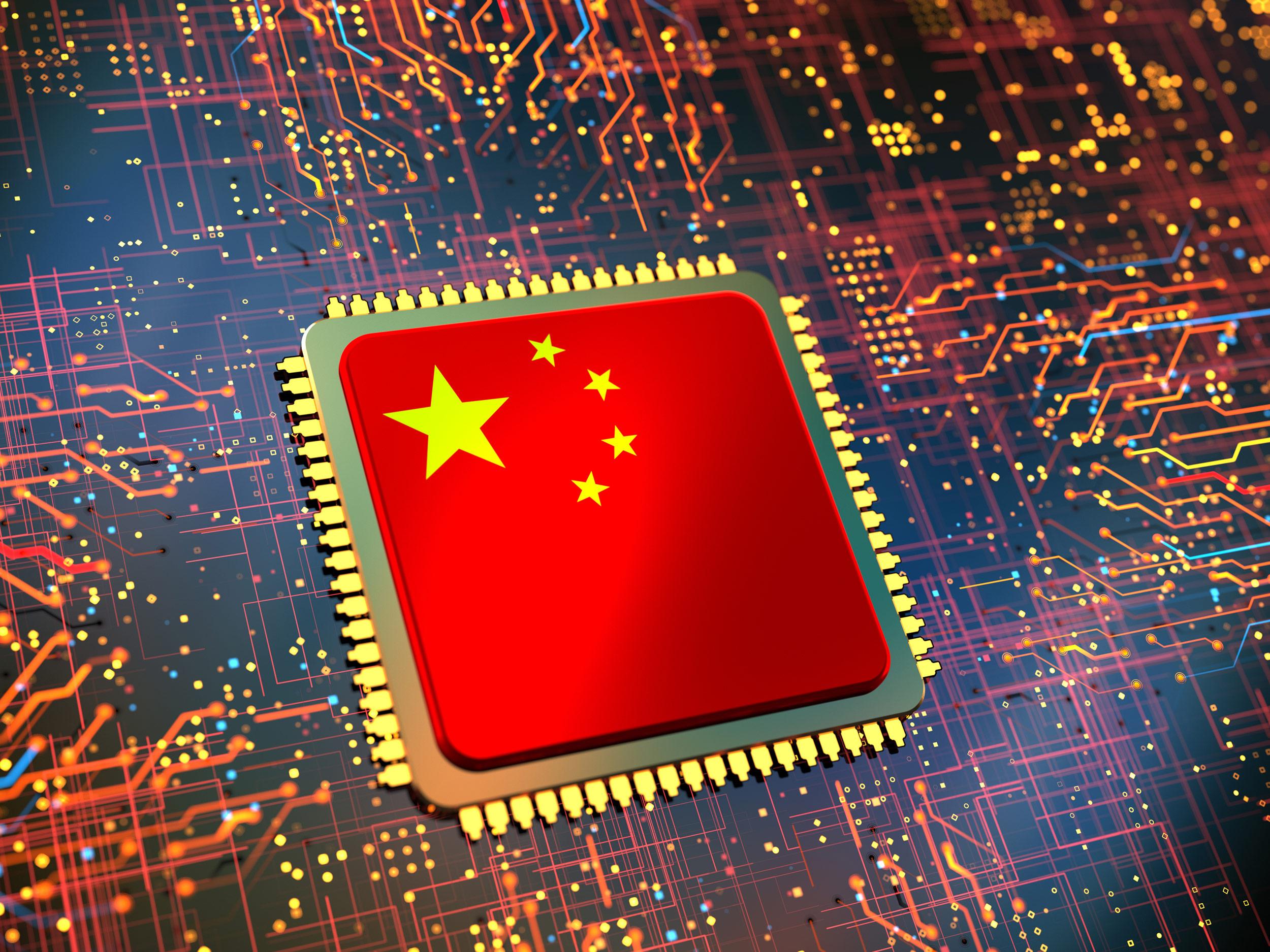
The United States has introduced a new measure that effectively takes a portion of the revenue generated from semiconductor chip sales to China. This development signals a shift in trade dynamics between two of the world’s largest economies and carries significant implications for the global technology market, international relations, and the semiconductor industry itself. Understanding the scope and potential consequences of this move requires a closer examination of its background, rationale, and expected effects.
Semiconductor chips, which are frequently referred to as the core of contemporary electronics, are essential to devices ranging from mobile phones and PCs to cars and military hardware. The escalating US-China tensions have put this critical industry in the spotlight due to its strategic significance and its pivotal role in shaping technological and economic supremacy. The latest move by the US to apply a financial restriction or tax on chip transactions with China highlights these larger issues and goals.
This levy can be seen as part of a broader effort by the US government to curb China’s rapid technological advancement, particularly in areas considered sensitive for national security and global competitiveness. By extracting a share from chip sales destined for China, the US aims to control the flow of critical technology and maintain leverage in trade negotiations and strategic positioning.
From an economic standpoint, this action adds a new level of intricacy for businesses engaged in the semiconductor supply network. US-based producers and exporters now encounter extra expenses or decreased earnings when providing chips to purchasers in China. This situation might prompt firms to reassess their market approaches, pricing frameworks, and collaborations. A number of companies may look for different markets or alter their production focus to lessen the economic repercussions.
For China, the levy represents a challenge to its ambitions of technological self-reliance and continued growth in the semiconductor sector. The country has invested heavily in developing its domestic chip manufacturing capabilities and reducing dependency on foreign suppliers. However, the US action highlights the ongoing hurdles China faces in accessing advanced technologies and components. It could also accelerate efforts to innovate locally and diversify supply chains to circumvent restrictions.
This policy also affects the broader global semiconductor ecosystem. The intricate network of design, manufacturing, and distribution spans multiple countries, and changes in trade policies by one major player inevitably ripple across the system. The US levy may prompt adjustments in supply chains, partnerships, and investment flows, influencing the availability, cost, and development pace of semiconductor technologies worldwide.
Politically, the levy underscores the continuing strategic rivalry between the US and China. Technology has become a frontline in this contest, with both countries seeking to secure dominance in areas such as artificial intelligence, 5G networks, and next-generation computing. The chip levy is a tool within this larger geopolitical context, reflecting concerns over intellectual property, national security, and economic influence.
Critics of the US measure argue that it risks escalating trade tensions and may invite retaliatory actions from China, potentially leading to a tit-for-tat cycle of restrictions and tariffs. Such a scenario could disrupt global markets and create uncertainty for businesses and consumers alike. Others caution that overly restrictive policies might slow innovation by limiting collaboration and access to diverse markets.
Supporters, however, assert that the tax is essential to safeguard crucial technologies and uphold US dominance in important sectors. They claim that regulating the export of sensitive parts is crucial for protecting national interests and inhibiting the transfer of advanced skills that could be exploited for military or strategic gains by competing countries.
The impact of this development is already being felt in stock markets, industry forecasts, and diplomatic discussions. Semiconductor companies are closely monitoring regulatory updates and adjusting their operations accordingly. Governments and trade organizations are assessing the broader economic and political fallout, seeking ways to balance competitive interests with global cooperation.
Looking ahead, the US levy on chip sales to China may serve as a precedent for further measures aimed at controlling the export of high-tech goods. It could influence international trade rules, negotiations, and alliances, prompting countries to reconsider their positions in the complex web of global technology supply chains.
For businesses, staying informed and adaptable will be crucial. Navigating the evolving regulatory landscape requires strategic planning, risk management, and an understanding of geopolitical trends. Companies involved in semiconductors may need to explore new partnerships, diversify sourcing, and innovate to maintain resilience amid changing market conditions.
In conclusion, the United States’ decision to take a cut from chip sales to China marks a significant moment in the intersection of technology, trade, and geopolitics. It reflects broader efforts to balance economic interests with national security concerns and highlights the challenges inherent in a globally interconnected industry facing mounting strategic competition.
While the full consequences of this policy will unfold over time, its introduction signals a shift towards more assertive trade controls in critical technology sectors. Stakeholders across government, industry, and the global economy will need to navigate these changes carefully, seeking opportunities for collaboration where possible while managing the risks associated with heightened rivalry and protectionism.
The situation underscores the growing recognition that semiconductors are not just commercial products but pivotal elements in shaping the future balance of power, innovation, and economic development worldwide. The US levy on chip sales to China is a clear indication of how technological competition is increasingly intertwined with broader geopolitical strategies, with profound implications for the years ahead.


