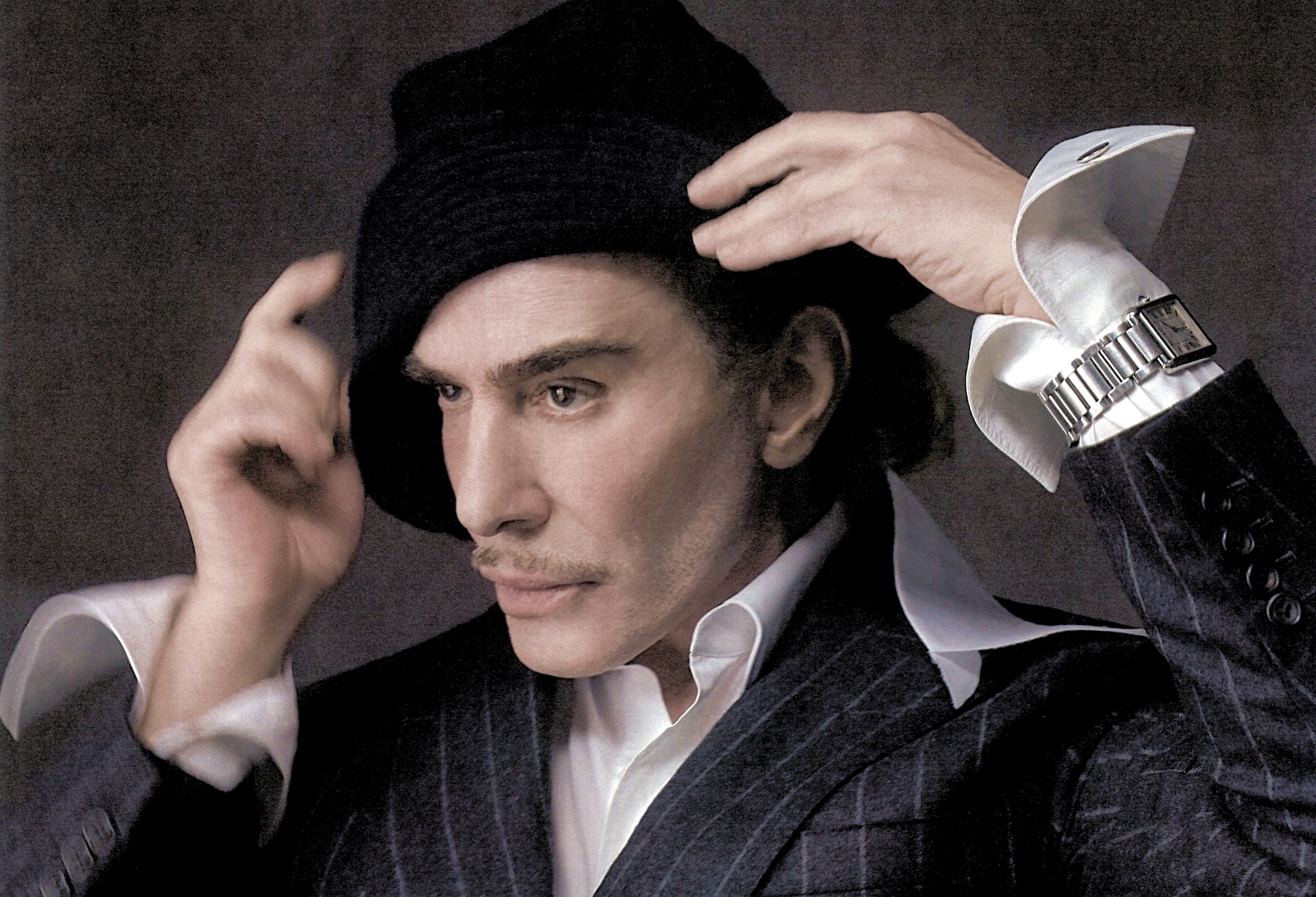

Tom Ford’s imprint on the fashion industry is nothing short of transformative. His work, particularly during his tenure at Gucci and subsequent ventures, is often cited as a benchmark for modern luxury, design innovation, and brand revitalization. Dissecting what sets Ford apart requires a multi-faceted exploration—spanning creative direction, brand identity, commercial impact, and cultural resonance.
The Pre-Ford Gucci: A Brand in Crisis
Before Tom Ford’s arrival in 1990, Gucci was grappling with internal disputes, lackluster creativity, and financial decline. The brand, once synonymous with elite Italian glamour, had become fragmented, struggling to resonate with contemporary consumers. The risk of irrelevance loomed, making Ford’s appointment as design director in 1994 both a bold move and a last-ditch effort for revival.
Visionary Creativity: Ford’s Aesthetic Language at Gucci
Sexuality as Strategy Ford’s signature lay in a daring revival of glamour infused with overt sensuality. His Fall/Winter 1995 collection, for example, startled the fashion world with velvet low-rise trousers, lustrous blouses, and gleaming metallic accents, projecting a lush eroticism that stood in stark contrast to the dominant grunge and minimalist trends. The provocative campaigns fronted by models such as Kate Moss distilled this emerging attitude—visually bold, emotionally intense, and instantly iconic.
Revival of Archive with Modern Edge Rather than distancing himself from the brand’s legacy, Ford skillfully drew from the Gucci archives, reshaping the iconic ‘double G’ emblem and timeless loafers to resonate with contemporary audiences. Under his direction, the horsebit detail and bamboo‑handle handbags resurfaced with renewed vitality, blending a sense of heritage with a fresh, modern sensibility.
Color, Texture, and Material Innovation Ford’s deft use of jewel tones, rich textures like velvet and suede, and unconventional pairings of materials broke traditional molds. Examples include pairing metallics with python skin or satin eveningwear with overtly masculine tailoring—techniques that defined a new era of luxury.
Business Achievement and Brand Revival
Revitalizing Sales and Brand Equity Gucci’s revenue climbed from roughly $230 million in 1994 to close to $3 billion by 2003, underscoring Ford’s business savvy. Items like the reintroduced ‘Gucci Jackie’ bag and plush velvet suits quickly sold out, allowing Gucci to draw prestigious clientele and garner substantial media coverage.
Strategic Expansion Ford recognized that desirability was inseparable from exclusivity. His strategy included limited-edition pieces, exclusive store events, and calculated product drops, creating a sense of urgency and aspiration among consumers. Furthermore, Ford played a key role in expanding Gucci’s portfolio by acquiring other luxury houses, such as Yves Saint Laurent, thus cementing the conglomerate’s future.
Cultural Impact: Ford’s Gucci and Fashion’s Zeitgeist
Defining a Decade’s Attitude Ford’s creative direction for Gucci came to embody the hedonistic optimism of the late 1990s and early 2000s. His campaigns often pulled from cinema, art deco influences, and the vibrancy of nightlife, conveying an atmosphere that blended opulence with a free‑spirited edge. The bold, at times censored, imagery—renowned for its provocative nature—elevated Gucci as both a trendsetter and a daring cultural instigator.
Celebrity and Pop Culture Integration Aligning the brand with Hollywood icons, Ford ensured Gucci’s omnipresence on red carpets. Gwyneth Paltrow’s white tailored suit at the 1996 MTV Video Music Awards and Madonna’s crystal-studded ensemble at the 1999 Grammys are emblematic moments directly linking Ford’s vision to pop culture’s lexicon.
After Gucci: The Ongoing Transformation of Tom Ford
Transition to Yves Saint Laurent When Ford stepped into the role of creative director at Yves Saint Laurent in 1999, he faced the task of guiding a legendary French fashion house. Although Saint Laurent himself initially resisted his direction, Ford’s collections—most notably the widely praised Fall 2001 Rive Gauche line—blended sensual energy with refined Parisian elegance. The contrast between structured masculine tailoring and fluid feminine silhouettes soon emerged as his defining signature.
Launching the Tom Ford Brand After departing Gucci in 2004, Ford launched his namesake label in 2005, initially focusing on menswear and eyewear, later expanding to womenswear, beauty, and fragrance. His eponymous brand is distinguished by meticulous craftsmanship, modern tailoring, and an ongoing narrative of sensual exclusivity. Signature pieces, including sharply cut tuxedos and exotic leather accessories, underscore his enduring appeal.
Creative Leadership Beyond Fashion
Film Direction and Visual Storytelling Ford’s work as a filmmaker—directing acclaimed movies such as “A Single Man” and “Nocturnal Animals”—reflects the same disciplined aesthetic evident in his fashion designs. His ability to tell nuanced stories through visuals, color palettes, and mood proves transferable across creative industries.
Advocate for Industry Change On a wider scale, Ford’s influence reaches into sustainability efforts, diverse representation, and mental health support across the fashion industry. In his role as Chairman of the Council of Fashion Designers of America (CFDA), he has tackled concerns like creative exhaustion and greater inclusivity, strengthening his overarching vision for meaningful industry advancement.
Enduring Impact
What sets Tom Ford apart is not only his talent for turning struggling brands into influential leaders, but also his steady expression of glamour, sensuality, and contemporary style in every project; whether he brings archival motifs back to life, reflects the spirit of the moment through pop culture, or ventures into realms like cinema, his disciplined perspective weaves together business, creativity, and cultural impact, leaving a legacy that serves as a model for reshaping luxury by honoring tradition while boldly pursuing innovation, a vision that continues to shape fashion and more.