
The Multifaceted Role of Fashion in Culture
Fashion is a complex tapestry interwoven with cultural, social, and economic threads. It plays a critical role in shaping identities, expressing individuality, and reflecting societal values. The significance of fashion extends far beyond mere aesthetics; it serves as a powerful medium for cultural exchange, historical preservation, and social commentary.
Fashion as a Reflection of Cultural Identity
Fashion is a mirror of cultural identity, providing insights into the values, beliefs, and traditions of different societies. For instance, traditional clothing like the Japanese kimono or the Indian sari is emblematic of cultural heritage, each with its unique style, color, and symbolism. These garments convey stories of the past, celebrating historical narratives that have helped shape contemporary societies.
Moreover, fashion often serves as a visual language. In various African cultures, different patterns and colors in clothing communicate specific messages or status within a community. The Maasai tribe of Kenya, known for their vibrant shukas, use fashion as a way of distinguishing age groups, marital status, or wealth. Such examples highlight how deeply embedded fashion is in the cultural fabric, acting as a conduit for storytelling and tradition preservation.
The Influence of Fashion in Cultural Communication and Creativity
Fashion is an essential tool for self-expression. It allows individuals to project their personality, mood, and beliefs outwardly. In Western cultures, subcultures like the punk movement of the 1970s used fashion as a form of rebellion against societal norms. The striking imagery of ripped jeans, leather jackets, and bold hairstyles challenged conventional aesthetics and provided a platform for political and social movements.
Technology and globalization have further amplified fashion’s role in social innovation. With the rise of digital platforms and fast fashion, designers can rapidly share their creative visions with a global audience, fostering cross-cultural exchange. The internet has democratized fashion, allowing individuals to curate and customize their styles from various influences worldwide, promoting inclusivity and diversification.
Clothing as a Driver of Economic Activity
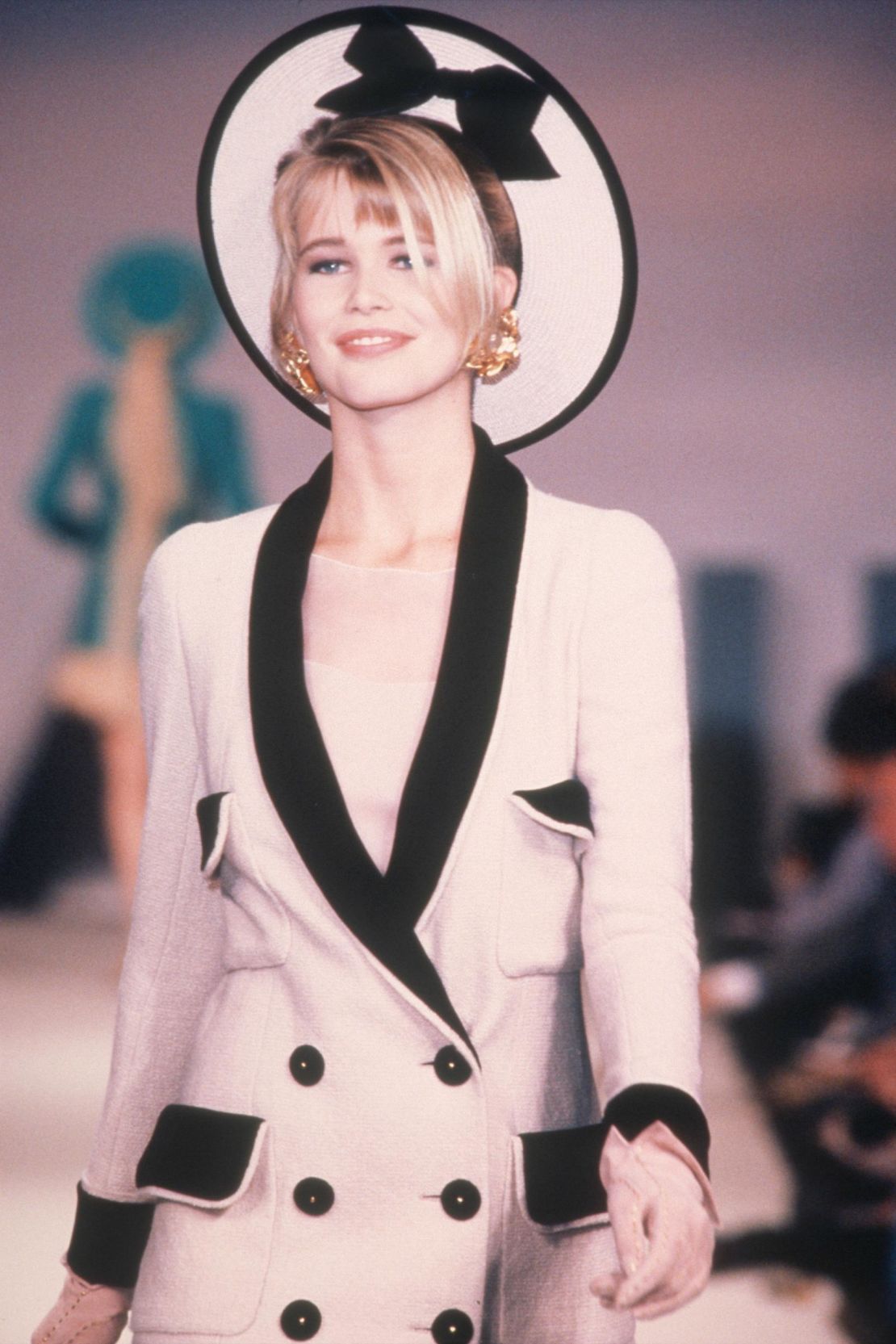
The influence of the fashion industry on the economy is substantial. This sector plays a key role in national economies by generating millions of jobs worldwide, covering everything from design to sales. Renowned fashion hubs such as Paris, Milan, and New York attract a large amount of tourism and income, as they host internationally recognized fashion weeks that highlight the newest trends and creative advancements.
The fashion industry is slowly transforming by focusing on environmentally-friendly methods and ethical manufacturing. This change mirrors an increasing cultural awareness, where buyers are becoming more conscious of the ecological footprint of their purchases and demand openness and sustainability in manufacturing processes. Companies such as Patagonia and Stella McCartney have led the way in eco-conscious fashion, demonstrating that shoppers appreciate items that align with their moral and ecological principles.
The Impact of Fashion on Social Standards and Beliefs
Fashion has a profound impact on cultural norms and values, often challenging and redefining them. Historic fashion movements have contributed to social change; for instance, the flappers of the 1920s used fashion to challenge gender roles, presenting a new image of the liberated woman. The mini-skirt in the 1960s symbolized the sexual liberation movement, aligning fashion with societal shifts towards greater freedom and equality.
Gender-neutral and androgynous fashion is becoming more popular, defying conventional gender expectations and promoting a more inclusive view of identity. Creators such as Harris Reed and brands like Rad Hourani are at the forefront of this movement, advocating for clothing that goes beyond gender-based limitations. These trends mirror larger cultural transformations towards embracing diversity and acceptance, emphasizing fashion’s influence as a catalyst for change.
Fashion, with its ever-evolving nature, is more than clothing; it is a profound cultural phenomenon. Through its ability to reflect identity, drive economic growth, challenge norms, and foster innovation, fashion continues to be integral to cultural development. In exploring its myriad roles, one observes fashion’s enduring influence on societal values and its capacity to unite diverse cultures in a shared language of creativity and expression.