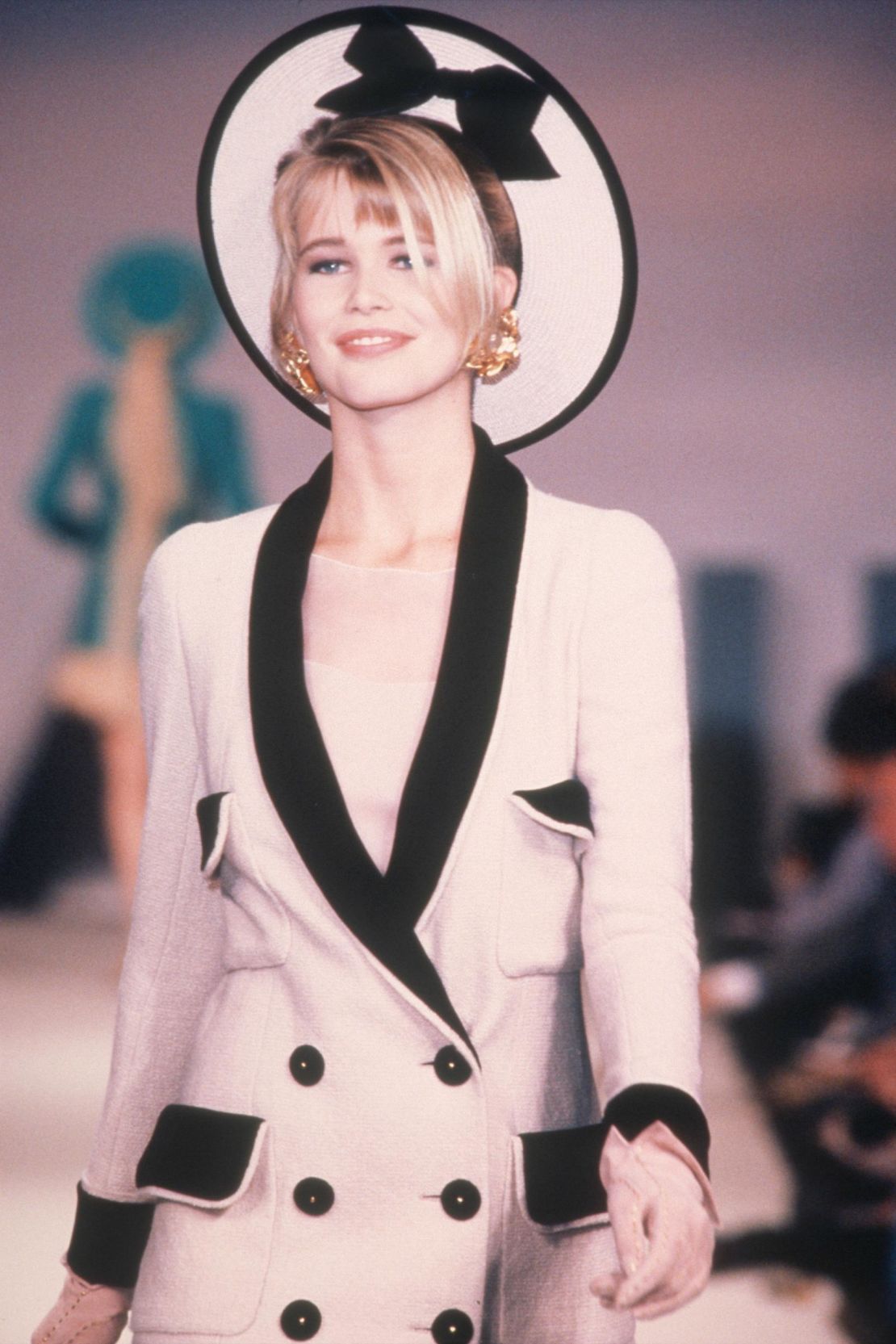


What Defines a Fashion Editorial?
In the realm of fashion media, a fashion editorial stands out as a vital component. It is a creative work seen in magazines and digital platforms that merges fashion, storytelling, and artistry to convey a particular theme or concept. The goal is not just to sell clothing but to transport readers into an aesthetic narrative that evokes emotion and inspiration.
Comprehending the Elements
A fashion editorial generally consists of various elements that come together to craft a captivating visual narrative. These elements encompass the garments and accessories, the models, the setting, the storyline, and the creative concept. Every aspect is meticulously planned to ensure the editorial conveys the desired message and resonates with the intended audience.
Fashion editorials often feature new designers, innovative styling, and unexpected combinations of garments that challenge traditional norms of dressing. This form of visual storytelling allows fashion editors, photographers, and stylists to push boundaries and showcase fashion as an art form.
Creating the Storyline
A core aspect of any captivating fashion spread is the story it tells. It may take cues from current cultural trends, events from the past, or imaginary stories; the narrative is what elevates a collection of pictures into a captivating adventure. For instance, a spread named ‘Retro Revival’ could delve into the contrast of 1920s vintage style against a modern cityscape, crafting a tale where classic sophistication encounters modern style.
Renowned publications like Vogue and Harper’s Bazaar are celebrated for their high-impact fashion editorials that often feature cinematic qualities, intricate storylines, and striking visuals. These pieces often involve collaborations with top industry professionals, including photographers like Annie Leibovitz and Mario Testino, whose unique perspectives help bring these narratives to life.
The Visual Artistry
At the core of a fashion editorial lies its visual artistry. Every photograph is meticulously crafted to evoke emotion and mood. The photographer, in collaboration with stylists and creative directors, employs lighting, composition, and color schemes that align with the editorial’s theme. This attention to detail ensures that each image encapsulates the essence of the story and engages the audience.
Here is the revised text following your guidelines:
For example, black and white photography could be utilized in a fashion spread to highlight texture and shape, conveying an air of timeless elegance. On the other hand, bright colors might generate a lively and spirited setting, encapsulating the vibrancy of the showcased fashion.
Reports on Fashion Magazines
Several iconic fashion editorials have left lasting impressions in the industry. Consider the editorials crafted by Grace Coddington during her tenure at Vogue. Her work was characterized by a whimsical storytelling approach that often felt like stepping into a storybook, with elaborate sets and rich fabrics that conveyed an otherworldly beauty.
Another noteworthy example is the ‘Garden of Delight’ editorial by Tim Walker for W Magazine, which embraced surrealism by combining lush floral landscapes with avant-garde fashion pieces, creating an enchanting dreamlike narrative that pushed the boundaries of traditional fashion photography.
Thoughts on Style Publications
The true significance of a fashion editorial comes from its capacity to combine clothing sophistication with rich storytelling, creating a display that connects on both visual and sentimental grounds. By integrating photography, styling, and narrative, each editorial encourages the audience to discover fresh viewpoints and spark their imagination. Through the dynamic combination of imagery and storytelling, these fashion pieces remain a profound representation of the art and culture that consistently influences the field.