

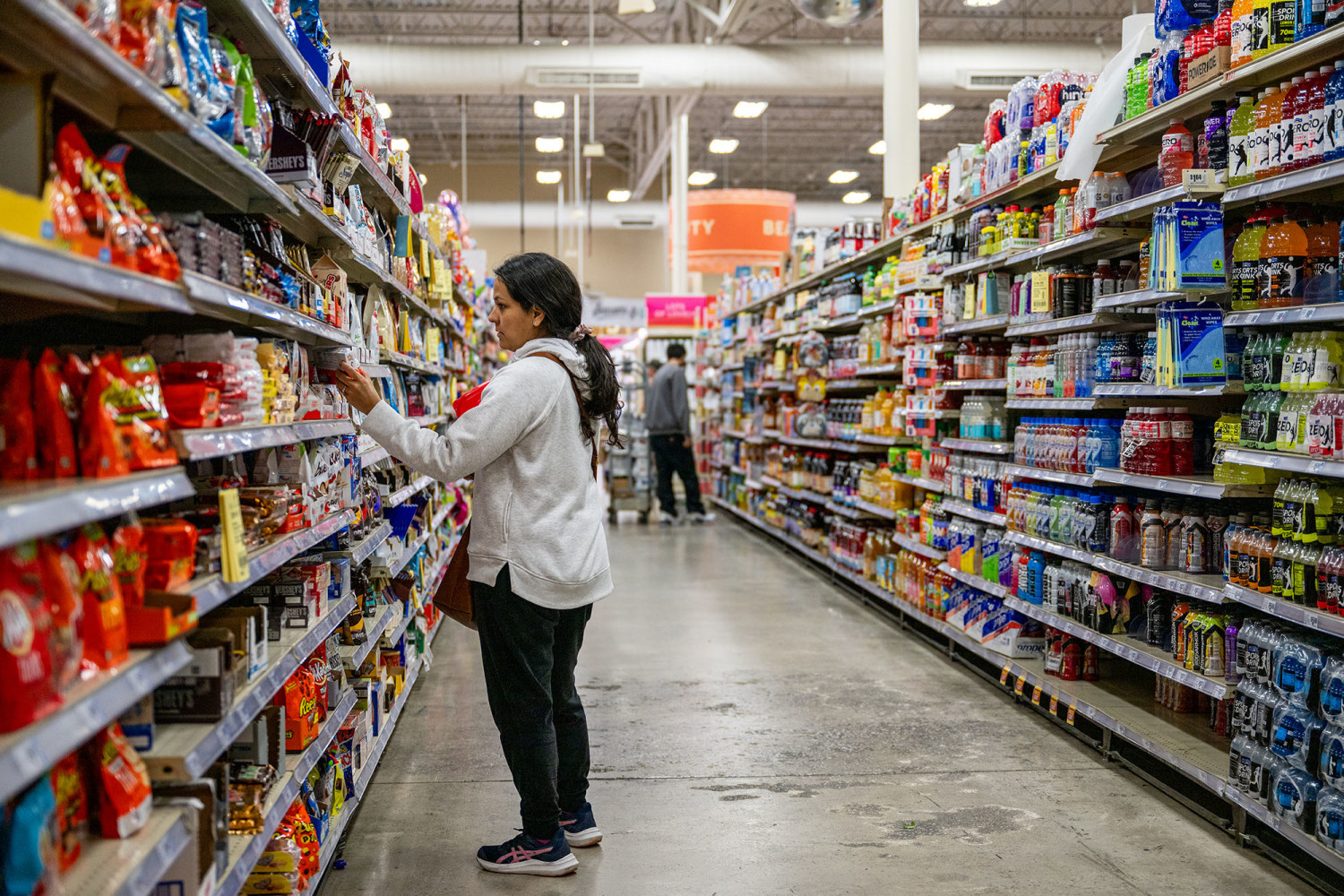
Consumer spending saw an unexpected boost last month, with retail sales rising more sharply than analysts had projected. This uptick signals renewed momentum in the retail sector, offering cautious optimism for the broader economy amid ongoing concerns about inflation, interest rates, and shifting consumer behaviors.
According to newly released data, sales across a wide range of retail categories experienced notable growth. From clothing and electronics to food and home improvement, retailers saw higher foot traffic and stronger online demand than originally forecast. Economists had anticipated a modest increase, citing rising prices and economic uncertainty as potential barriers, but consumers appeared willing to spend at a higher rate than many anticipated.
One of the driving forces behind this surge was likely seasonal shopping. The combination of summer sales events, back-to-school preparations, and travel-related purchases contributed to increased spending. Department stores, sporting goods retailers, and restaurants all recorded gains, suggesting that consumer confidence remained relatively stable despite external pressures.
E-commerce was a key factor in the previous month’s retail results. Internet-based platforms kept a major portion of consumer spending, thanks to evolving shopping patterns that started during the pandemic. A number of major retailers announced quarterly outcomes that exceeded expectations, crediting their achievements to enhanced digital systems, focused promotions, and efficient logistics.
This improved performance in retail has consequences for both investors and policymakers. For one, the information might show that consumers still possess the ability to spend, potentially supporting the economy’s continued growth. However, it could also present challenges for the Federal Reserve, which has been observing consumer habits carefully as it considers additional measures to manage inflation.
If demand remains high, it could complicate efforts to stabilize prices, especially if supply chains struggle to keep pace. While inflation has cooled from its peak, it remains above the Fed’s target, prompting ongoing debate about the timing and necessity of future interest rate adjustments. A more robust retail environment could add pressure to tighten monetary policy sooner rather than later.
Yet, not every part of the retail sector experienced the same level of advantages. Although non-essential categories experienced improvements, certain crucial items—such as groceries and fuel—exhibited slower growth or even minor reductions in volume. This indicates that shoppers might be re-prioritizing or adapting to elevated basic prices. This complex spending behavior mirrors a juggling act for numerous families as they navigate both optional treats and the increasing expenses of essentials.
Another element influencing the rise in sales might be the current robustness of the job market. As unemployment figures stay low and salaries slowly rise, numerous consumers seem more assured about their financial situation. However, salary increases have not uniformly matched inflation across all industries, and the savings gathered during the pandemic are starting to diminish for certain families.
Retailers have recently adopted a more calculated approach, adjusting offers and modifying stock to align with changing consumer needs. Numerous firms have embraced adaptable pricing tactics, focused on loyalty initiatives, and launched temporary deals to boost expenditure. These strategies seem to be effective, as customer interest seems to be increasing, particularly in industries that prioritize experience and customization.
Looking forward, it is uncertain if this rise in consumer sales will continue in the upcoming months. The holiday period, usually a significant source of retail income, is still a few months away, and shoppers’ attitudes might change due to economic signals, worldwide occurrences, or modifications in fiscal strategies. Moreover, elements like the restart of student loan payments, increasing credit card balances, and the challenge of home-buying costs could start to have a more significant impact on purchasing behaviors.
Market analysts are keeping a close eye on consumer credit data as well. Recent reports show a steady rise in the use of revolving credit, indicating that some households may be relying more heavily on debt to maintain current spending levels. While this can temporarily support retail sales, it raises concerns about long-term financial stability if economic conditions deteriorate.
From an industry perspective, the strong retail performance offers a window of opportunity. Businesses that can adapt quickly, manage inventory efficiently, and continue innovating in both physical and digital retail spaces are better positioned to weather future volatility. Smaller retailers, in particular, may benefit from nimble operations and niche marketing, while larger chains must continue optimizing their omnichannel strategies.
The unexpectedly positive results in the retail industry last month indicate that consumers continue to play an active role in the economy, even with ongoing economic challenges. This persistence offers some comfort, yet it also highlights the intricate landscape that businesses, government officials, and consumers need to manage. As spending habits change and the economic climate transforms, the adaptability of the retail sector will be crucial in maintaining growth.


