

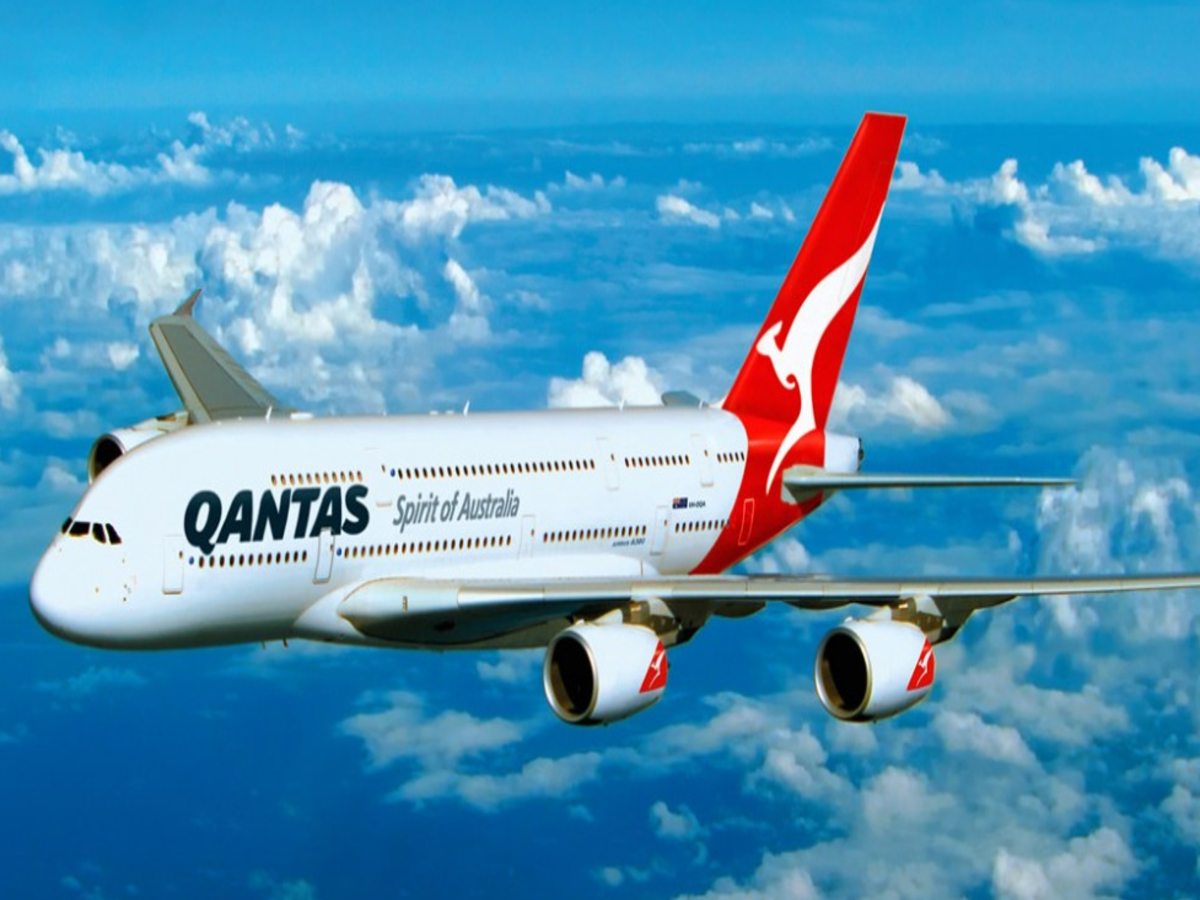
The resolution of a prolonged legal battle has led to a precedent-setting verdict, where a prominent airline is facing an unprecedented fine due to its conduct during the health crisis. The judgment against Qantas, the national airline of Australia, represents a pivotal point in the country’s labor relations history. The dispute revolved around the airline’s illegal layoff of a substantial number of its ground personnel, an action contested by the workers’ union and later declared unlawful by the Federal Court. This decision goes beyond financial penalties; it serves as a strong message on corporate accountability, employee rights, and the equilibrium of authority in the workplace, particularly during challenging times.
The dispute began in 2020, during the height of the COVID-19 pandemic, a period that brought the aviation industry to a virtual standstill. In a bid to cut costs, Qantas made the decision to outsource its ground handling operations, a move that directly impacted approximately 1,800 baggage handlers, cleaners, and other ground staff. The airline argued that this was a necessary business decision driven by the dire economic circumstances. However, the Transport Workers’ Union (TWU) quickly challenged the legality of the move, arguing that it was motivated by a desire to prevent employees from exercising their workplace rights, including their right to strike and engage in collective bargaining. The union’s claim launched a protracted legal battle that would span several years and reach the highest court in the country.
The court hearings unveiled a complicated storyline involving business tactics and industry regulations. The Federal Court initially ruled in favor of the union, determining that Qantas had implemented “adverse action” against its workers. This was an important legal differentiation, indicating that the airline’s conduct was more than a business move; it was an unlawful effort to bypass workers’ rights. The court’s decision was a triumph for the laid-off ground crew, many of whom had devoted many years to the airline. It sent an unmistakable message that even during an extraordinary worldwide crisis, employers are not allowed to overlook essential legal responsibilities.
Although the initial court decision was rendered, the legal battle persisted. Qantas challenged the verdict by appealing to various tiers of the Australian judiciary, culminating in the High Court. Each appeal demonstrated the airline’s commitment to contest the judgment. Nonetheless, the High Court eventually affirmed the initial ruling, reinforcing the notion that Qantas had acted illegally. This was a significant win for the TWU and the ex-employees, setting the stage for a compensation and penalty hearing. The unanimous judgment by the High Court offered a conclusive and irrefutable affirmation of the workers’ rights and the unlawful actions of the airline.
The penalty phase of the case was closely watched, as it would set a precedent for future industrial disputes. The court had to determine a fine that was both a punishment for the past transgression and a deterrent against similar actions by other companies in the future. The final amount, a staggering A$90 million, was unprecedented in Australia’s industrial relations history. The judge’s decision was accompanied by a strong rebuke of the airline’s conduct, with a particular focus on the lack of genuine remorse shown throughout the legal process. The court highlighted that while Qantas had offered apologies, they appeared to be more about minimizing reputational damage than acknowledging the genuine harm caused to the former employees.
The financial penalty is in addition to a substantial compensation package that Qantas had already agreed to pay its former employees. This two-part outcome—compensation for past harm and a fine for the legal transgression—is a powerful combination. It not only addresses the financial hardship endured by the laid-off workers but also sends a clear message to the broader corporate world about the serious consequences of breaching labor laws. A significant portion of the fine is being paid to the Transport Workers’ Union, an acknowledgment of their tireless efforts in bringing and prosecuting the case on behalf of the affected workers. The remaining amount is set to be distributed to the former employees, further adding to the redress they are receiving.
The fallout from the case has been significant, not just for Qantas but for the entire Australian corporate landscape. The ruling has prompted a broader discussion about the ethical responsibilities of companies, particularly during economic downturns. It has reinforced the importance of fair work practices and the power of unions in holding powerful corporations accountable. The case has also been a major factor in a broader effort by Qantas’s current leadership to rebuild trust with its staff and the public, an acknowledgment that the reputational damage from the incident has been substantial. The fine serves as a stark reminder that short-term financial gains from illegal actions can lead to long-term legal and reputational costs that far outweigh any initial savings.
The series of dismissals at Qantas serves as a significant lesson in corporate responsibility and underscores the lasting importance of workers’ rights. It shows that a corporation’s decisions, even during severe economic stress, must comply with legal standards and public oversight. The verdict of the legal proceedings is a win for employees and sends a strong warning to businesses worldwide that ignoring legal and ethical responsibilities for financial gain will face consequences. This event marks a pivotal point in Australia’s labor history, destined to be cited for many years ahead.


