

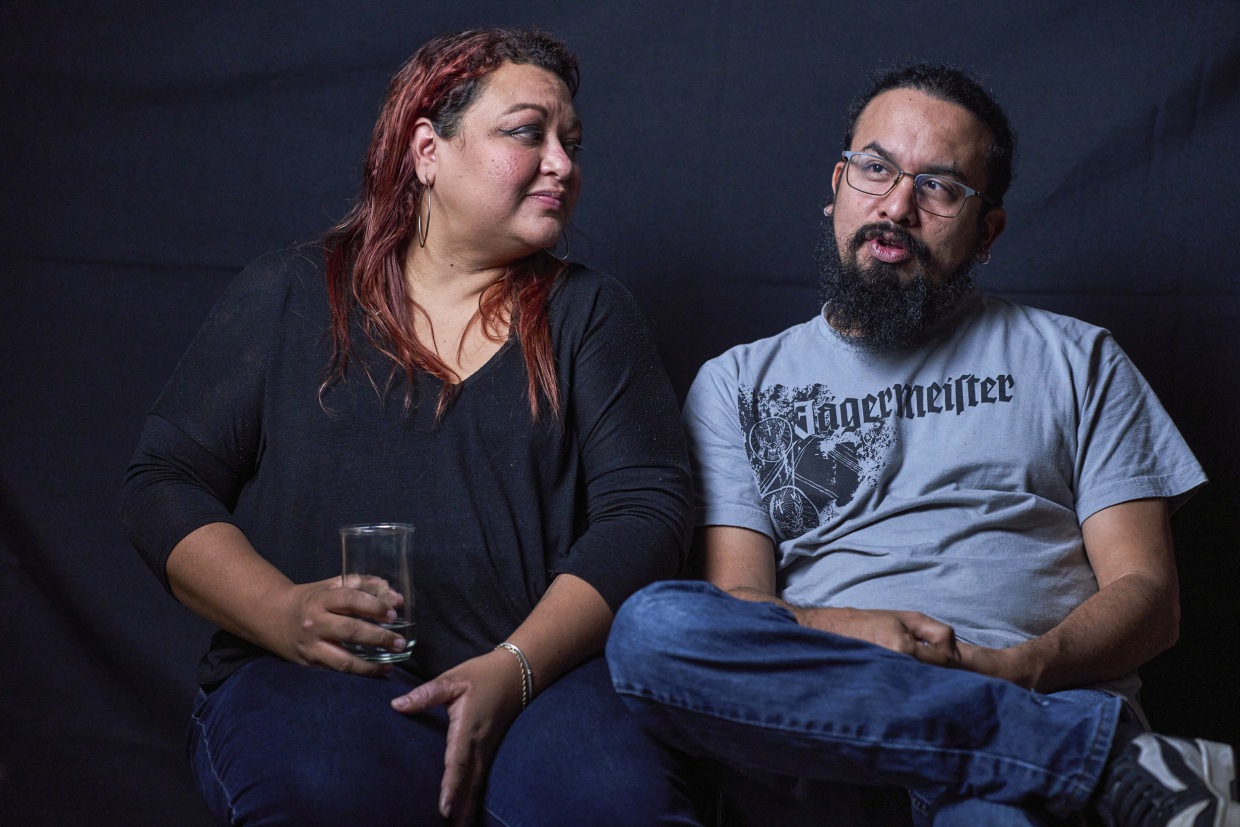
In recent years, El Salvador has drawn international attention not only for its sweeping security policies but also for an exodus of political figures and activists who claim they are no longer safe in their homeland. As the government tightens its grip under President Nayib Bukele, many of those who once played key roles in public life are seeking refuge abroad, citing concerns that the country is moving dangerously close to repeating dark chapters of its history.
Esta creciente ola de exilio político refleja una profunda inquietud sobre el rumbo del gobierno en El Salvador. Aunque el discurso oficial destaca el progreso nacional y la reducción del crimen, muchos exfuncionarios, jueces, abogados, periodistas y líderes de la sociedad civil sostienen que las normas constitucionales y las instituciones democráticas se están deteriorando en el proceso. Desde sus nuevos hogares en países vecinos o más lejanos, hablan de un entorno en su país que se ha vuelto cada vez más intolerante hacia la disidencia.
Algunos de estos individuos han tenido extensas trayectorias en el servicio público o en la defensa social. Algunos se habían asociado con partidos políticos, mientras que otros trabajaron de manera independiente para reforzar el estado de derecho o promover la responsabilidad. Muchos ahora se encuentran fuera del país no por elección, sino por obligación, tras recibir amenazas, enfrentar procesos judiciales que consideran políticamente motivados o temer ser encarcelados bajo cargos ambiguos.
For these exiled Salvadorans, the pattern they describe feels all too familiar. They reference the authoritarian practices of past decades, when government critics were surveilled, harassed, or silenced. Today, they say, there are echoes of that past in the consolidation of power by the executive branch, the weakening of judicial independence, and the use of state institutions to go after perceived opponents.
What distinguishes the current moment is the speed and scope of these developments. Bukele, who rose to prominence with a message of anti-corruption and renewal, has transformed El Salvador’s political landscape with bold—and controversial—measures. While his administration boasts high approval ratings domestically, in part due to a crackdown on gang violence, critics warn that the price of security gains is the erosion of basic democratic safeguards.
An issue of dispute concerns the prolonged state of emergency, initially established to tackle criminal groups. While this measure has resulted in numerous arrests and a noticeable decrease in street crime, it has been criticized by human rights defenders for potentially enabling misconduct. Alarming reports of arbitrary arrests, absence of due process, and poor treatment in custody have surfaced, causing concern both inside and outside El Salvador.
Individuals currently residing in exile assert that the government is targeting not only gang affiliates but also anyone perceived as a threat to its power. Legal experts who made decisions unfavorable to the government, journalists who reported uncomfortable truths, and politicians who expressed dissent have ended up in unstable circumstances. Frequently, they lost protections, were ousted from their positions, or underwent legal investigations shortly after voicing their opinions.
For some, fleeing the country was the only viable option. The fear was not only of prosecution, but of persecution—being treated not as citizens with rights, but as enemies of the state. In interviews and public statements, exiles describe how they had to make difficult decisions: leaving families, abandoning careers, and rebuilding lives in unfamiliar environments.
Despite their distance from El Salvador, many of these individuals remain deeply connected to its future. They continue to speak out, organize from abroad, and draw attention to developments they believe threaten the country’s democratic foundations. At the same time, they express sadness and frustration over being cast as traitors by the government they once served.
Some have formed alliances with international organizations or found platforms in foreign media to share their perspectives. Their stories offer a counterpoint to the official government narrative and reflect the complex, often painful choices faced by those who resist political pressure. For them, this moment in El Salvador’s history is not just a political crisis—it’s a personal reckoning.
Analysts observe that the increasing number of exiles indicates a more profound transformation in the nation’s political environment. Although followers of Bukele commend what they perceive as strong leadership, others perceive a diminishing arena for discussion, responsibility, and legitimate opposition. The loss of seasoned perspectives from public discourse might also impact governance and democratic steadiness in the long run.
This flight of dissidents also raises broader regional and international concerns. The trend mirrors developments in other countries where power has become increasingly centralized and critics have been pushed out. Diplomatic and human rights communities are watching closely, balancing recognition of the government’s success in fighting crime with growing unease over its authoritarian tendencies.
El Salvador’s history is marked by periods of political violence, civil conflict, and repression. For those now in exile, the comparisons are not made lightly. Many recall the devastating impact of silencing opposition in the past and fear that the country is heading down a similar path—one in which dissent is criminalized and democracy becomes an empty formality.
Yet even in exile, there is hope. The voices now speaking from afar carry with them a determination to protect democratic principles. They believe that accountability, transparency, and rule of law are not optional, even in times of crisis. Their ongoing activism reflects a belief that the future of El Salvador must include—not exclude—those who challenge power.
Whether the country can strike a balance between security and freedom, and whether it can preserve the institutions that sustain democracy, remains to be seen. But for those watching from outside, one thing is clear: the lessons of history are being invoked not to divide, but to warn, and to urge a return to a political culture that values inclusion, dialogue, and respect for rights.
As more political figures and activists continue to leave, the question lingers: Can a country truly be free if its critics feel they must flee to be safe? For El Salvador, the answer may define not just the present, but the shape of its future.


