
Comprehending the Complexities of Arranging a Fashion Exhibition
Organizing a fashion show is a multifaceted endeavor that combines creativity, logistics, and meticulous planning. It is a platform where fashion designers showcase their latest collections to the world, providing a glimpse into trends that may influence the industry. This article navigates the detailed process of orchestrating such an event, emphasizing the significance of each component in ensuring a successful showcase.
Conceptualization and Planning
The journey begins with a clear vision. The fashion show’s theme, whether it’s about sustainability, innovation, or a specific cultural influence, sets the groundwork for everything that follows. The theme guides every aspect, from the choice of venue to the design of the garments themselves. This concept should align with the designer’s brand values and resonate with the audience they intend to attract.
After a concept is defined, a logistical plan needs to be created. This includes establishing a preliminary schedule that extends to the event, frequently covering several months. Essential activities involve booking a location, employing staff, liaising with designers, and formulating a detailed financial plan. Each aspect of organizing must fit together smoothly, forming a unified path to ensure the event’s success.
Choosing a Location
Choosing the appropriate place is another key aspect of planning a fashion show. The venue should align with the theme and suit the runway, audience, and backstage needs. Accessibility, sound quality, and atmosphere are vital. For example, an urban chic show might be best suited for a repurposed warehouse, while a nature-inspired collection could thrive in an open-air setting.
After selecting the location, the process of designing the layout starts. This involves arranging the runway, audience seating, and areas for the press and important guests. The main objective is to enhance visibility while maintaining safety and comfort. It is crucial to pay attention to details; each seat must provide an unobstructed view of the runway.
Creation and Manufacturing
Parallel to planning, designers and their teams are hard at work transforming ideas into tangible designs. Each piece is an embodiment of the underlying concept driven by research, creativity, and technical skill. Designers must also consider practical elements such as fabric availability, manufacturing timelines, and fitting sessions.
Moreover, production entails more than just the creation of garments. It also involves the music selection that will accompany the show, the lighting that will highlight the designs, and the stage design itself. All of these elements must synchronize to enhance the visual narrative being delivered to the audience.
Model Selection and Fittings
Models are the lifeline of any fashion show. Selecting models who can embody the spirit of the collection is vital. This process includes casting calls and meetings with modeling agencies. Factors such as looks, walking style, and professionalism are considered to ensure that the chosen models align with the brand image.
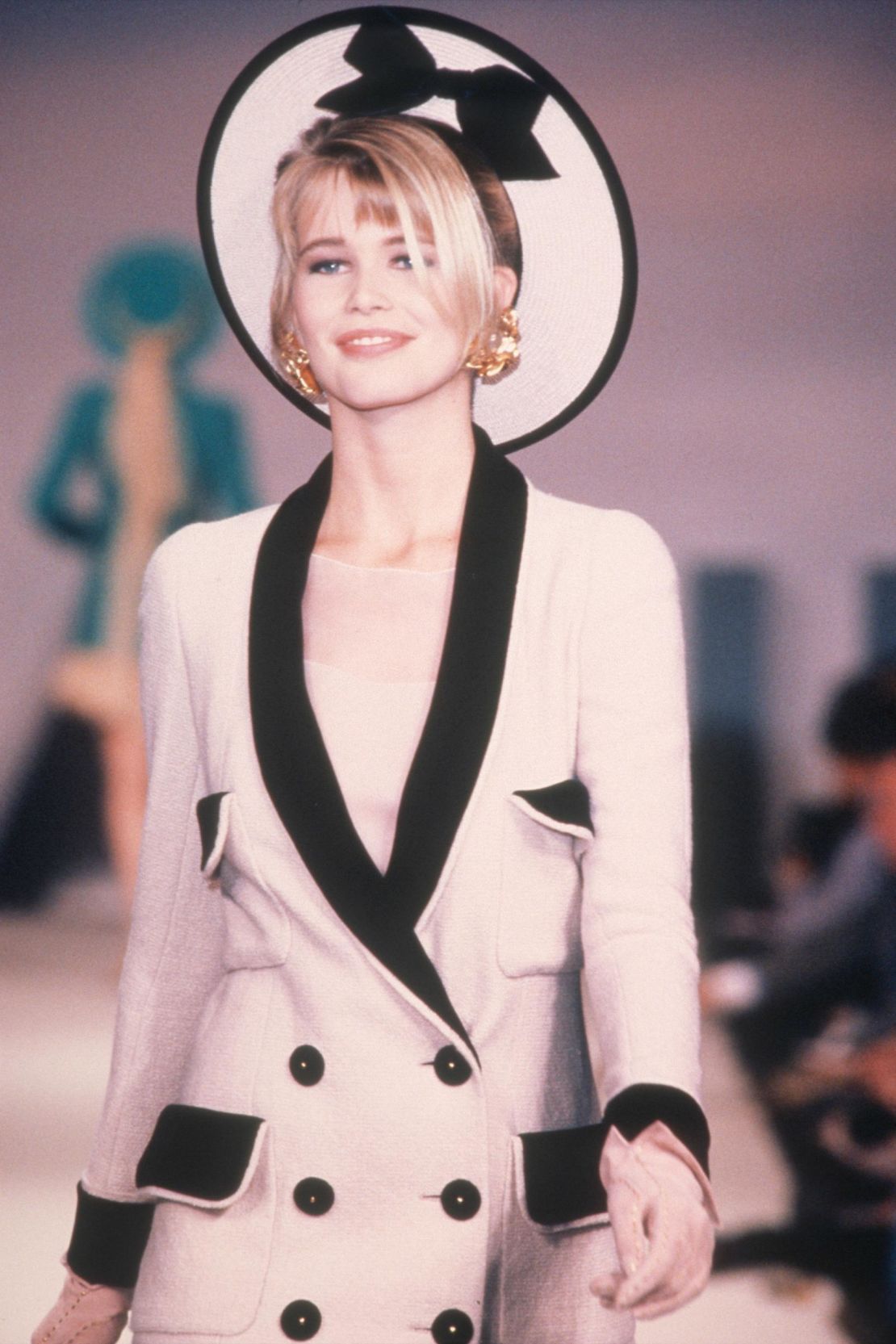
Once models are selected, fittings are conducted to tailor the garments perfectly. This stage is crucial as it ensures that each piece looks impeccable on the runway. Designers work closely with their teams to make any necessary adjustments, ensuring that each garment highlights the designer’s vision.
Practice Sessions and Full Runs
Practice sessions are crucial for ironing out potential problems. In these gatherings, the models are trained on the sequence of a fashion show, paying attention to their speed, timing, and stances. Technical crews collaborate to assess lighting, audio, and stage mechanisms, making sure all components function seamlessly.
Rehearsals are useful for spotting areas that need enhancement, enabling the group to refine things prior to the real occasion. This phase also allows the participants to become familiar with their surroundings and actions, fostering a more assured display on the event day.
Event Execution
Execution on the day of the event involves precise coordination among all parties. From ushering guests to their seats to ensuring that backstage operations run smoothly, every detail demands attention. Directors oversee the flow of the show, confirming that each segment transitions seamlessly.
Timing is crucial. The flow of the show should maintain audience engagement without unnecessary lulls. Points of interaction, such as designer presentations or live performances, must dovetail into the event with precision.
Actions After the Show
After the curtain falls, the impact of the fashion show continues. Engaging with press, photographers, and influencers is essential for maximizing exposure. Follow-up activities may include press releases, interviews, and media coverage that extends the reach of the collection.
Additionally, reviews are crucial for upcoming exhibitions. Collecting opinions from both contributors and visitors can lead to enhancements and creativity, making certain that following occasions are even more triumphant.
Reflecting on this intricate orchestration reveals the dedication and creativity inherent in every thread stitched and every spotlight cast. The complexity of a fashion show is a testament to the power of collaboration, transforming vision into a vibrant, shared reality that resonates far beyond the runway.