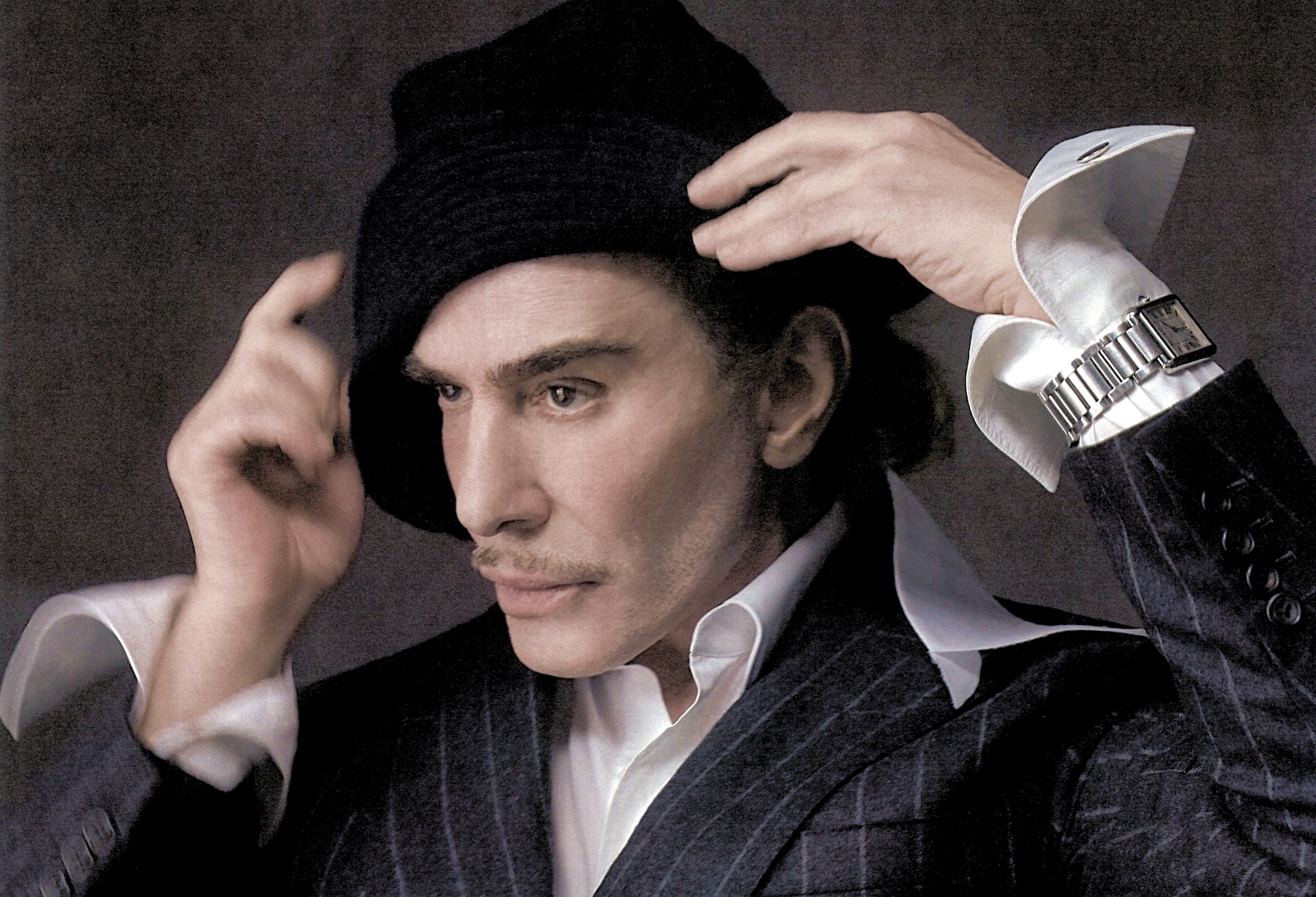


Conceptual fashion moves beyond conventional garment creation by centering on imaginative ideas that stimulate reflection rather than relying solely on visual appeal, questioning established fashion norms and motivating designers and consumers to engage with clothing as a medium for intellectual expression and critique, and by highlighting artistic storytelling and philosophical inquiry, conceptual fashion encourages us to rethink how clothing functions within our lives.
The Origins of Conceptual Fashion
Emerging from the avant-garde movements of the 20th century, conceptual fashion has roots in the broader cultural shift towards challenging the status quo. Designers like Yohji Yamamoto, Rei Kawakubo of Comme des Garçons, and Martin Margiela pushed boundaries by questioning the definitions of beauty and normality. Their pieces often blur the line between art and fashion, transforming every runway show into a spectacle of ideas rather than mere exhibitions of wearable items.
The Underlying Principles of Conceptual Fashion
At its core, conceptual fashion is rooted in the idea that clothing can function as a vehicle for expressing intricate concepts and sparking meaningful conversation, often addressing themes like identity, humanity’s connection to the environment, gender, and technology. By weaving these subjects into their creations, conceptual designers elicit responses and shape a space where fashion evolves into an intellectual endeavor.
Influence on the Fashion Sector
Conceptual fashion exerts a powerful influence on the wider industry by stretching creative limits and sparking fresh innovation, prompting designers to rethink materials, silhouettes, and their overall approach to creation. A clear example is seen in Hussein Chalayan’s use of technology in fashion, which has produced pioneering pieces featuring elements such as mechanical motion and transformative structures.
Moreover, conceptual fashion often questions the relationship between consumerism and individuality, encouraging a more sustainable approach to fashion where the purpose of clothing extends beyond the superficial. Designers in this realm frequently use recycled materials or engage in practices that emphasize sustainability.
Explorations of Conceptual Fashion Case Studies
Iris van Herpen’s work exemplifies how avant‑garde technology can blend seamlessly with time‑honored craftsmanship, as her creations frequently showcase elaborate 3D‑printed forms that challenge traditional tailoring while demonstrating a refined balance between innovation and artisanal expertise.
Another notable illustration is Alexander McQueen, whose evocative runway presentations merged artistic performance with fashion, exploring themes like Victorian culture and the cycle of life and death. His creations continually expanded the psychological and emotional limits of what fashion was capable of expressing.
The Role of Conceptual Fashion in Modern Society
In today’s landscape, as consumer behavior gravitates toward more intentional forms of purchase, conceptual fashion assumes an essential place by prompting a richer interaction with garments and inviting people to view their closets as mirrors of personal values and wider cultural concerns; this shift has been heightened during the pandemic period, when designers, responding to evolving circumstances, have concentrated on crafting experiences that connect on a deeper and more human plane.
Emerging Pathways for Conceptual Fashion
As technology evolves, so does the potential of conceptual fashion. The integration of virtual reality, augmented reality, and blockchain opens new avenues for expression and interaction. Designers are increasingly exploring digital fashion, where clothing exists beyond the physical realm, providing infinite possibilities for creativity without the constraints of physical materials.
Conceptual fashion continues to raise significant questions about design, society, and the roles individuals play within them, keeping fashion an evolving exchange among creator, wearer, and observer; by embracing this complexity, the fashion world gains richness while our grasp of the cultural narratives shaping our lives becomes more profound.