
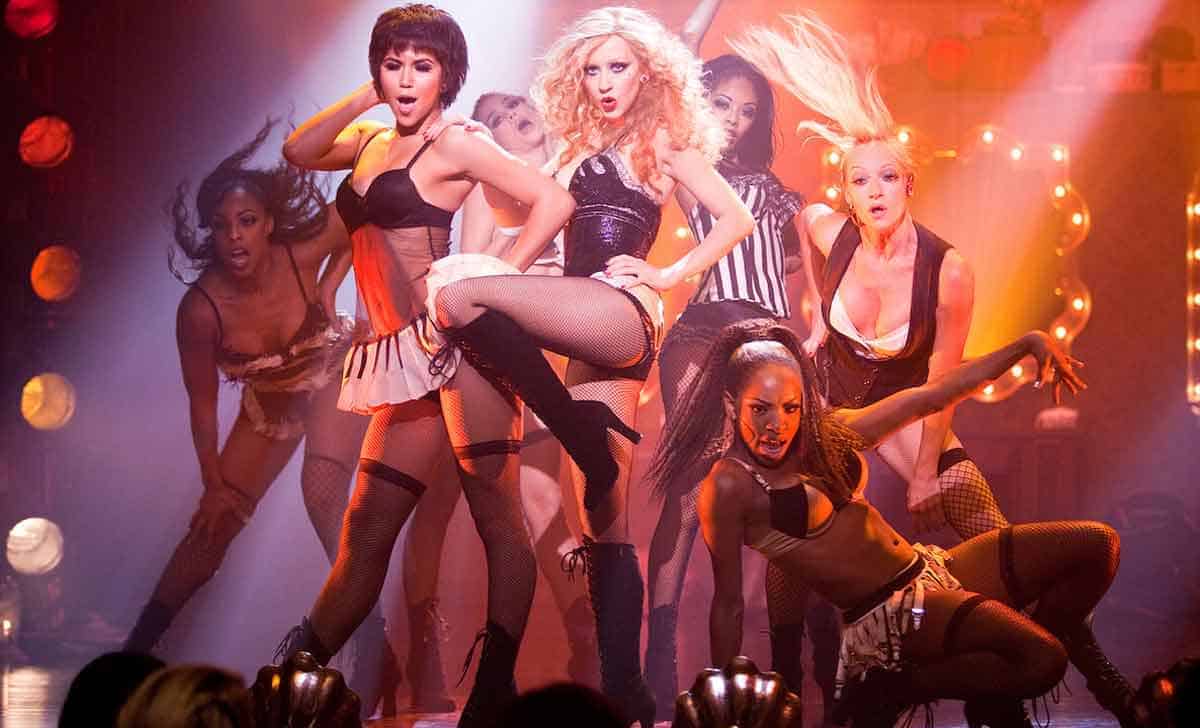
Burlesque, once considered a niche form of entertainment linked to vaudeville shows and smoky lounges, is witnessing a cultural resurgence. In cities throughout the U.S. and internationally, fresh performers are reviving the genre’s mix of dance, theatrical elements, and sensual appeal. For many, it symbolizes a celebration of body positivity, creative expression, and women’s empowerment. Conversely, it prompts reflective questions about objectification, societal norms, and the possibility of genuine liberation coexisting with the expression of sexuality.
Esta fricción no es reciente. Desde sus inicios en el siglo XIX, el burlesque ha mantenido un equilibrio entre lo subversivo y el espectáculo. Aunque frecuentemente incorporaba sátira, parodia, y comentarios sociales agudos, también contenía elementos de striptease y humor atrevido. Hoy en día, ese legado sigue generando debates, especialmente en una atmósfera cultural cada vez más consciente de las dinámicas de género y la representación.
Many contemporary burlesque artists describe their experience on stage as deeply empowering. These performers come from all backgrounds—cis and trans women, non-binary individuals, and even men—bringing unique perspectives to their acts. Their routines often go beyond seduction. They use movement, costume, and choreography to tell stories, challenge norms, and express personal narratives. For these artists, the performance is not about catering to the male gaze but reclaiming agency over how they present their bodies and identities.
“It makes me feel strong,” say some performers when asked about what draws them to the stage. This sense of control—over one’s body, narrative, and audience—can be profoundly liberating, particularly in a world where women’s appearances are often judged through a narrow lens. In this context, burlesque becomes a space where performers redefine beauty, confidence, and sensuality on their own terms.
Proponents of contemporary burlesque suggest that its revival signifies a wider evolution in feminist ideology. Instead of dismissing displays of sexuality, numerous modern feminists promote personal autonomy and the liberty to embrace sensuality without embarrassment. According to this perspective, burlesque may serve as a form of opposition to societal norms that inhibit sexual expression or prescribe how women ought to act.
Yet not everyone sees it this way. Critics of burlesque—both within and outside feminist circles—question whether performances that center on striptease, however artistic, can truly separate themselves from systems that have historically commodified women’s bodies. They ask whether it’s possible to fully reject objectification in a format that still relies on public displays of sexuality.
This criticism often stems from a concern that burlesque may inadvertently reinforce outdated gender roles, even when performed with the intent to subvert them. Some argue that audiences, especially those unfamiliar with the art form’s nuance, may still interpret it through a lens of consumption rather than celebration. For these observers, the empowerment narrative is complicated by the context in which burlesque exists: a society still grappling with ingrained sexism and double standards.
Others, however, emphasize that intention and situation are crucial. When entertainers craft their own content, establish their limits, and choose their self-presentation, the balance of power alters. Burlesque, in this scenario, is not forced on them—it becomes a voluntary decision, a creative expression, and a form of narration. Therefore, it can reflect other performance styles such as drag, theater, or avant-garde dance, each utilizing exaggeration and bodily movements to challenge norms and stimulate reflection.
Audience response also plays a role in shaping the experience. Unlike traditional strip clubs, burlesque venues often foster a sense of community and inclusivity. Shows are attended not just by straight men but by women, LGBTQ+ individuals, and art enthusiasts. The atmosphere tends to be celebratory rather than exploitative, and many productions actively engage with feminist themes, body positivity, and identity politics.
The visual style of burlesque has transformed over time. Although feather boas, corsets, and sequins continue to be integral to the tradition, contemporary shows might include political satire, multimedia components, or discussions about mental health, race, or gender identity. By incorporating these elements, burlesque broadens its scope as an art form that not only provides entertainment but also questions conventional views and stimulates conversation.
The blend of artistry and activism is crucial in grasping the relevance of burlesque in contemporary times. It resides at a cultural junction, embodying elements of reminiscence, defiance, and innovation. Performers in this field frequently engage thoughtfully with their craft, employing it not just for entertainment, but also to express intricate notions of empowerment, vulnerability, and resilience.
Certainly, the discussion surrounding whether burlesque serves as an empowering or diminishing force is likely to persist. Similar to numerous artistic expressions that involve sexuality, its influence is intensely personal. What one individual perceives as freedom might appear restrictive or troubling to someone else. Instead of reaching a concrete conclusion, the dialogue itself contributes to burlesque’s significance. It compels us to face uncomfortable inquiries about our perceptions of gender, authority, and performance.
What is clear, however, is that burlesque is not a monolith. It is shaped by the people who perform it, the stories they choose to tell, and the audiences who witness them. Whether one sees it as empowering, problematic, or somewhere in between, it continues to offer a space for artistic exploration, self-expression, and dialogue. And in a world still negotiating the balance between visibility and objectification, that space is both vital and complex.