
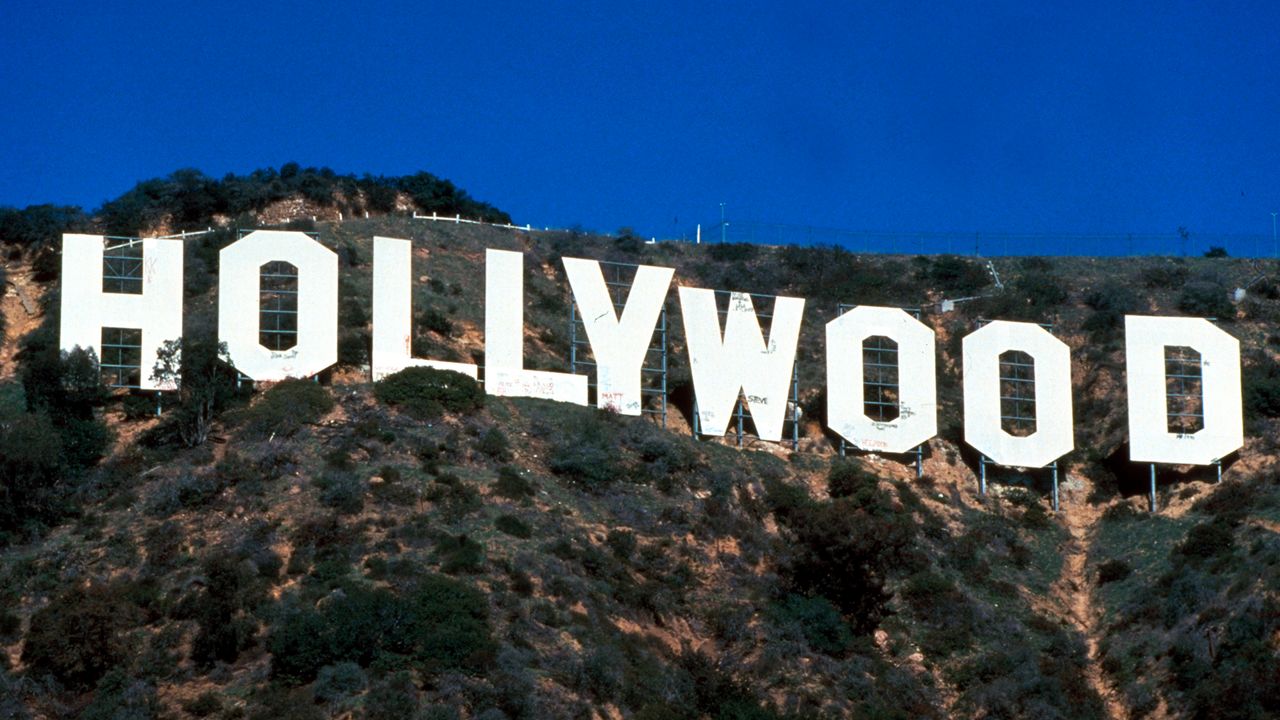
Some landmarks evoke the imagination as effectively as the famous Hollywood sign located above Los Angeles. It represents both the entertainment industry and serves as a lighthouse for dreamers globally. However, it’s not widely known that this internationally famous symbol almost faced destruction—and that music icon Alice Cooper surprisingly helped preserve it.
In the late 1970s, the Hollywood sign was in a state of serious disrepair. The once-proud letters that spelled out “Hollywood” were battered by time, weather, and neglect. Several of the original letters were damaged, with some so dilapidated they risked collapsing altogether. The sign, originally erected in 1923 as “Hollywoodland” to promote a real estate development, had become a beloved but crumbling relic of California’s golden age of cinema.
As the condition declined further, there was a genuine chance that the landmark could be gone forever. The City of Los Angeles did not have the financial resources required for a complete renovation. What had been an emblem of dreams and allure was in danger of turning into a recollection—unless a party intervened to alter the course of the sign.
Enter Alice Cooper, the pioneering shock rocker known for his theatrical stage performances, dark lyrics, and onstage antics. While Cooper’s public image leaned heavily into gothic showmanship, offstage he possessed a genuine affection for cultural icons and the history that shaped them.
In 1978, during a time when his music career was already flourishing, Cooper found out about the Hollywood sign’s difficult situation. Touched by the possibility of losing an iconic cultural symbol, he became one of the earliest celebrities to actively contribute to its preservation. To assist in funding the essential repairs, he funded the replacement of one of the letters—the second “O”—by contributing a significant amount for its reconstruction.
Cooper’s motivation wasn’t solely about preserving a landmark; it also carried a deeply personal element. The letter he chose to fund, the “O,” was dedicated to the memory of Groucho Marx, the legendary comedian and actor who had been a personal friend and mentor to Cooper. Their unlikely friendship, which blossomed in the early 1970s, had a profound impact on Cooper, and saving the sign was a meaningful way to honor Marx’s legacy within the heart of the entertainment world they both cherished.
Cooper wasn’t alone in this mission. The effort to restore the Hollywood sign became a collective cause, drawing support from a range of celebrities and private donors. Each new letter had its own sponsor. Hugh Hefner, the founder of Playboy, organized a fundraiser that played a pivotal role in securing the financial backing needed for the full restoration. Other contributors included rock musician Gene Autry and entertainer Andy Williams, all of whom understood the sign’s cultural importance.
The community initiative was triumphant, and by 1978, the renovated Hollywood sign was revealed, built with more durable materials intended to endure over time. Through the joint efforts of dedicated people such as Alice Cooper, the sign transformed from a dilapidated monument into a rejuvenated symbol of ambition, creativity, and the power of popular culture.
Alice Cooper’s involvement in the project reveals a side of the artist that contrasts sharply with his onstage persona. It highlights his respect for history and his willingness to use his influence to safeguard a piece of shared heritage. In interviews, Cooper has spoken about the pride he felt in being part of something so enduring, noting that the Hollywood sign represents far more than just the film industry—it represents the dreams of countless people who come to Los Angeles in search of opportunity.
The Hollywood sign has since been preserved and guarded, evolving into an internationally renowned symbol. Although countless visitors come to view it annually, a large number remain oblivious to the distinct history surrounding its preservation. The truth that a rock musician, known for tunes about the grim and the defiant, played a role in rescuing a cultural landmark highlights the unexpected crossroads of creativity, celebrity, and legacy.
Many years later, the Hollywood sign continues to be not just a famous site but also a symbol of the communal endeavor that rescued it from crumbling. Alice Cooper’s role has earned him an unforeseen position in Hollywood’s narrative—a tale not solely about luxury and fame, but about conservation, remembrance, and the individuals ready to act when an emblematic piece faces the danger of vanishing.
By taking this conservation initiative, Cooper and his fellow benefactors guaranteed that the emblem of Hollywood’s illustrious aspirations would persist in motivating future generations. The previously worn-out letters now shine brightly over the city, their continued existence partly due to a musician who, looking beyond his own fame, decided to safeguard a more significant legend.