
A nostalgic fashion moment unfolded in Milan when two iconic figures from cinema reappeared side by side, reminding audiences of the lasting influence of style and storytelling.
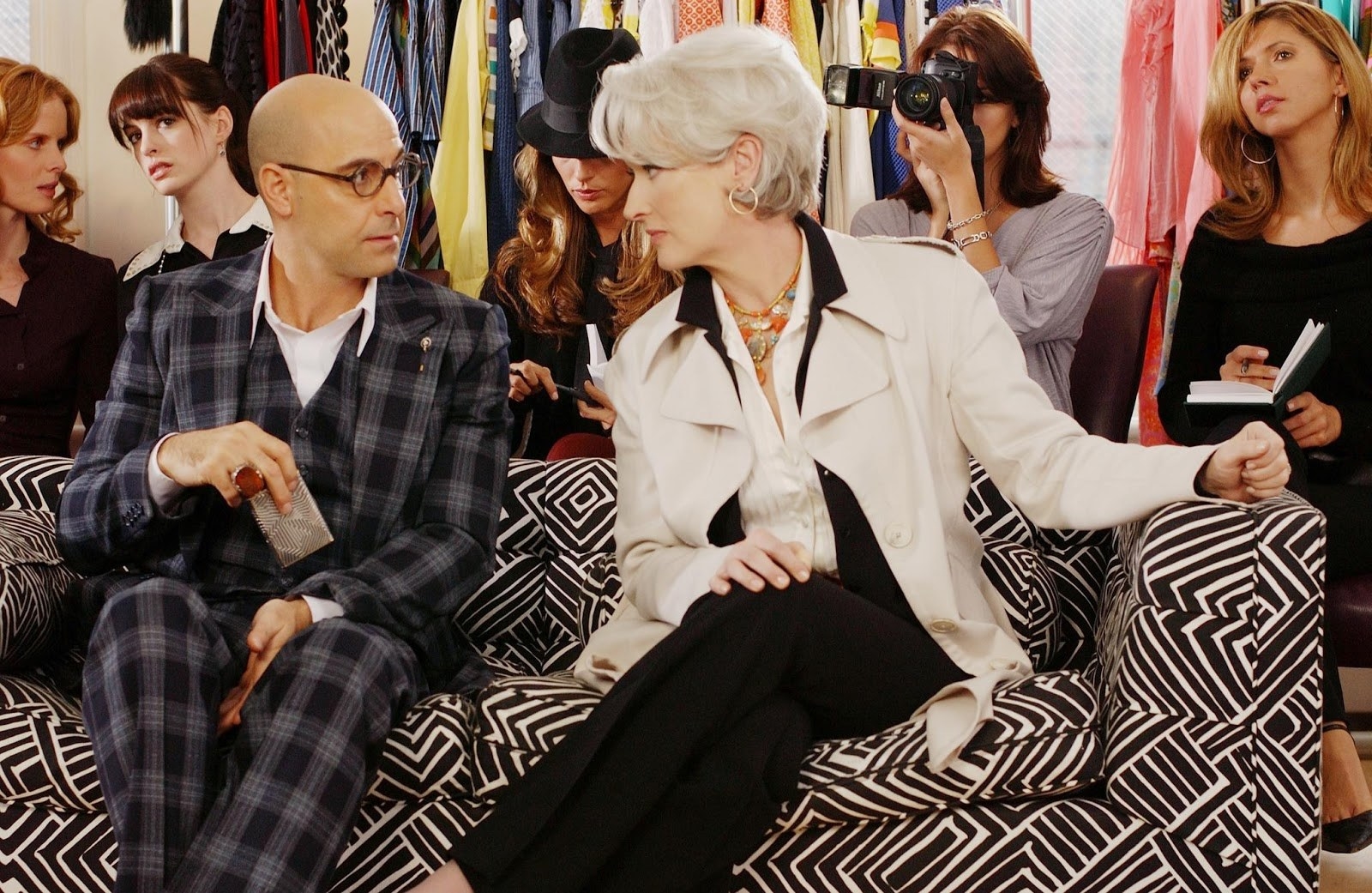
The fashion industry thrives on transformation, yet it equally values instances that link the past with the contemporary in remarkable ways. At Dolce & Gabbana’s latest event in Milan, having Miranda Priestly and Nigel in the front row evoked both enthusiasm and contemplation in the crowd and enthusiasts alike. This encounter took viewers back to one of the film world’s iconic portrayals of fashion, while also highlighting the ongoing intersection of art, celebrity, and haute couture on worldwide platforms.
The influence of fashion figures from cinema
The roles of Miranda Priestly and Nigel turned into cultural landmarks following their appearance in the movie that re-envisioned the portrayal of the fashion industry on screen. Their clever dialogue, authoritative aura, and unique take on creativity have left a lasting mark on popular culture, affecting not only audiences but also the industry’s self-perception. Observing them reunited, now off-screen at the core of a prominent fashion week event, evoked a blend of admiration and curiosity. Was this a tribute to the film’s legacy, a lighthearted nod to its lasting significance, or perhaps a reminder of the perpetual bond between fashion and performance?
Dolce & Gabbana has long mastered the art of blending tradition with spectacle, and inviting such recognizable personalities to their front row only reinforced the brand’s alignment with timeless glamour. The designers, known for celebrating both Italian heritage and global celebrity culture, set the perfect stage for a reunion that captured international media attention. It wasn’t just about who walked the runway, but also about who sat in the spotlight, interpreting the show through their mere presence.
The influence on the culture of fashion week
Fashion weeks globally have evolved into events that highlight more than just seasonal collections. They now serve as cultural spectacles where appearances by celebrities, artistic partnerships, and viral incidents can hold as much significance as the clothing featured. Within this context, the reunion of Priestly and Nigel did more than create excitement; it highlighted the concept that storytelling in fashion transcends the runway.
For attendees, the sight of these two figures carried symbolic weight. Miranda Priestly’s image has come to represent authority, discernment, and a sharp eye for style, while Nigel embodies creativity, mentorship, and the resilience required to thrive in demanding environments. Together, they form a dynamic balance of discipline and innovation—qualities that resonate not only in film but also in real-world fashion dynamics. The Milan audience, composed of editors, buyers, celebrities, and influencers, responded with enthusiasm, as if witnessing a fictional narrative seamlessly blending into reality.
This blurring of boundaries reflects how fashion is increasingly tied to entertainment. Social media amplified the moment instantly, with images and videos spreading across platforms, sparking conversations not just about Dolce & Gabbana’s designs but also about the cultural memory the reunion evoked. It highlighted how a single event can generate layered meaning: one part marketing, one part nostalgia, and one part celebration of the artistry behind both fashion and film.
Style as a link between times
The choice to place Miranda Priestly and Nigel side by side embodies the way fashion frequently acts as a connector between various cultural periods. The event in question was an assertion of perpetuity, uniting traditional artisanship with current visual styles. Similarly, the gathering illustrated how traditions are preserved, transformed, and revitalized within modern settings.
For fans of the original film, the moment was a reminder of how deeply stories can shape our perception of industries, inspiring interest in careers, artistry, and personal expression. For those less familiar, it offered a striking visual of two commanding personalities embracing their connection to fashion in the real world. Either way, the gesture underscored the universality of fashion’s language—it can speak to memories, aspirations, and identities all at once.
Dolce & Gabbana’s Milan presentation was already poised to attract global attention, but the front-row reunion elevated it into something far greater than a traditional runway event. It became a cultural happening, demonstrating the unique ability of fashion to honor its own history while charting bold new directions.
When the audience’s clapping subsided and the event wrapped up, the vision of Miranda Priestly and Nigel sitting side by side remained in the collective consciousness. It represented not only a resurgence of glamour but also the perpetual conversation between creativity, fashion, and narrative. In a field characterized by relentless transformation, instances like these highlight that certain figures never fade; they merely adapt, assuming new parts in a story that keeps developing year after year.