

Food security refers to a state in which everyone consistently enjoys physical and economic access to adequate, safe, and nourishing food. Although agricultural productivity has advanced and child mortality has fallen in certain regions over recent decades, global food security continues to be vulnerable. A combination of environmental, economic, political, social, and technological forces steadily weakens the availability, accessibility, utilization, and stability of food resources. This analysis outlines the primary drivers, supports them with examples and trend data, and points to practical strategies for reducing this vulnerability.
Core drivers of fragility
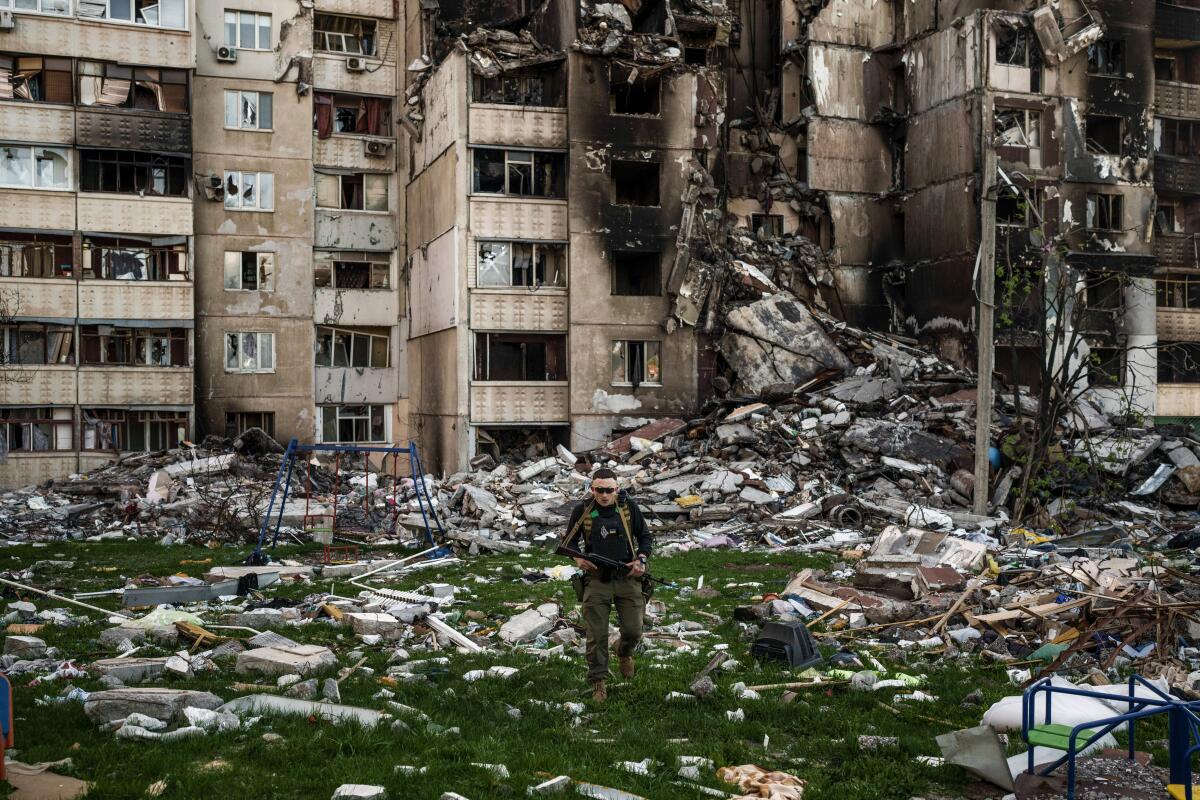
Conflict and instability: Armed conflict remains the foremost force behind severe food insecurity across numerous areas, as it hampers production, cuts off market access, damages essential infrastructure, and forces both farmers and consumers from their homes. Long-running emergencies in Yemen and parts of the Sahel illustrate how violence has shattered livelihoods and restricted humanitarian operations. Such conflict-related displacement intensifies food strain in urban zones and generates extended supply chains that prove challenging to rebuild.
Climate extremes and variability: Droughts, floods, heat waves, and shifting rainfall patterns reduce yields and increase crop failure risk. The Horn of Africa experienced multi-year droughts in the early 2020s that left millions facing acute food insecurity. Extreme weather events are increasingly frequent and compound chronic vulnerabilities in rainfed farming systems.
Market and trade shocks: Global supply chain disturbances, shifting export controls, and sharp price swings are rapidly passed on to reliant importers. The 2022 interruption of Black Sea grain shipments following the Ukraine war demonstrated how heavily concentrated production zones and export routes can trigger sudden worldwide price surges. Nations dependent on imported staples and limited fiscal reserves faced swift food price inflation and diminishing access.
Rising input costs and energy dependence: Agriculture depends on energy-intensive inputs such as fertilizer, diesel for machinery, and irrigation pumping. Volatile energy prices and constrained fertilizer supplies in 2021–2023 raised production costs and cut yields in some regions, particularly where smallholder farmers lack access to credit or subsidies.
Pests, diseases, and ecological stress: Locust invasions, falling soil fertility, plant disease outbreaks (for example, certain rusts in cereals and fungal threats to bananas), and declining pollinator populations reduce yields and increase uncertainty for producers. Soil erosion and nutrient depletion lengthen recovery times for damaged agricultural systems.
Poverty and unequal access: Food insecurity is frequently an income and distribution problem. Even when food is available at national level, many households cannot afford nutritious diets. Inflation undermines purchasing power; recent global food price surges pushed millions into poverty and forced dietary compromises, especially among urban poor.
Weak social protection and governance: Inadequate safety nets, poor early warning systems, and weak market regulation leave populations exposed to shocks. Countries with limited public finance and governance capacity struggle to scale up emergency response and long-term resilience building.
Supply chain vulnerabilities: Labor shortages, container and port bottlenecks, and just-in-time logistics create single-point failures. The COVID-19 pandemic demonstrated how labor disruptions and transport constraints can reduce availability or raise prices even when aggregate production is adequate.
Natural resource stress and water scarcity: Agriculture consumes roughly 70% of global freshwater withdrawals. Over-extraction, aquifer depletion, and competing urban and industrial demands reduce irrigation reliability. In water-stressed basins, yields and cropping choices become increasingly constrained.
Biodiversity loss and monoculture dependence: Global food networks frequently depend on a limited range of primary crops grown in intensive monocultures, diminishing genetic variety and heightening the system’s exposure to pests, diseases, and shifting climate conditions.
Major trends and illustrative data
Food insecurity is far from a marginal concern, as nearly one in ten people worldwide endure persistent undernourishment or food deprivation; after 2015 these figures climbed and were pushed even higher by the pandemic and later disruptions. In 2021–2022, food prices became highly volatile, steadily weakening household purchasing power across the globe. Major cereal exporters hold large portions of international trade — Russia and Ukraine, for instance, jointly provide about one third of global wheat exports — creating concentrated vulnerability to regional disturbances. In low-income countries, agriculture continues to employ a substantial share of the population, and any shock that diminishes farm income directly limits household access to food.
Representative examples
Ukraine and global markets: When conflict curtailed seaborne exports from the Black Sea, global markets tightened and transport costs rose. Countries in North Africa and the Middle East that import large shares of wheat were particularly exposed. The event underscored the danger of export concentration and the need for diversified trade partners and emergency stocks.
Horn of Africa droughts: Repeated drought patterns have steadily diminished pastoralists’ livestock numbers and agricultural output, significantly heightening humanitarian pressures. The erosion of livelihoods, together with restricted access for aid, has generated localized famine threats in certain regions and elevated levels of acute child malnutrition.
Fertilizer and energy shock 2021–2023: Fertilizer price spikes and supply constraints reduced input use for many smallholder farmers. In parts of Sub-Saharan Africa and South Asia, inability to afford or access fertilizer led to lower yields and higher food prices at local markets.
COVID-19’s labor and market impacts: Lockdowns and mobility restrictions disrupted harvest labor, transport, and market operations. Perishable food losses rose where cold chains and marketing channels failed, even as global staple supply remained relatively intact.
Systemic weaknesses that continue to sustain fragility
- Concentration risk: Dependence on a narrow set of producing regions, firms, or shipping corridors heightens overall systemic exposure.
- Short-term policy reactions: Export restrictions and improvised trade actions often intensify market swings instead of bringing domestic stability.
- Underinvestment in resilience: Numerous countries devote insufficient resources to irrigation, storage facilities, rural transport networks, and research on climate-adapted crops.
- Information gaps: Limited market transparency and weak early warning capabilities hinder governments and farmers from taking timely, preventive steps.
Practical approaches to bolstering food security
Invest in diversified domestic production and resilient landscapes: Support crop diversification, agroecological practices, water-saving irrigation, soil restoration, and integrated pest management to reduce reliance on single crops and fragile practices.
Expand social protection and market stabilization tools: Cash transfers, price‑buffering measures, strategic grain reserves, and well‑targeted subsidies help maintain household access to food when disruptions arise. The Ethiopian Productive Safety Net Program illustrates how reliable transfers, paired with public works, can safeguard livelihoods and strengthen resilience.
Strengthen trade collaboration and discourage export restrictions: Coordinated efforts at regional and global levels can curb reactive measures that intensify supply gaps, while open-market transparency and prompt data sharing help limit speculative activity.
Enhance supply chain performance and storage solutions: Expanding rural road networks, strengthening cold chain systems, and increasing warehouse capacity help curb post-harvest waste and stabilize price fluctuations.Reinforce early warning systems and contingency planning: Enhanced climate and market projections, connected to financial triggers for humanitarian and social protection actions, accelerate response times and lessen human impact.
Support smallholder access to inputs and finance: Focused lending, insurance tools, and incentives tied to sustainable methods can raise output while reducing environmental risks.
Advance research efforts and technology uptake: Public and private R&D focused on stress-resilient varieties, digital advisory platforms, and cost-effective soil and water management solutions enhances overall adaptive capacity.
Tackle the underlying causes of conflict and safeguard humanitarian access: Building peace, fostering inclusive governance, and ensuring safe aid corridors remain vital for reviving production and reaching those most in need.
Reduce waste and shift diets where feasible: Cutting food loss across the supply chain and encouraging less resource-intensive diets in high-consumption settings can ease pressure on systems.
Policy priorities for durable change
Integrate food security into climate and fiscal policy: Align mitigation and adaptation funding with food-system resilience, and build fiscal buffers for food-price shocks.
Scale up international cooperation: Global public goods — genetics, climate information, disease surveillance, and emergency logistics — require pooled funding and governance.
Focus on nutrition rather than mere calorie counts: Programs should strive to broaden dietary variety and improve micronutrient availability to lessen malnutrition and ease long-term health challenges.
Leverage private sector with safeguards: Private investment in storage, logistics, and processing must be incentivized while ensuring smallholder inclusion and fair market access.
Food systems are embedded within political, ecological, and economic realities, which means resilience requires coordinated action across sectors and scales. Short-term humanitarian responses must be paired with long-term investments in landscapes, institutions, and markets. Where conflict, poverty, and climate hazards intersect, targeted social protection and predictable international support can prevent acute crises from becoming generational setbacks. Building systems that resist shocks, quickly recover, and reduce inequality will determine whether food security moves from fragile to durable — a goal that demands sustained commitment from governments, communities, and global partners.