

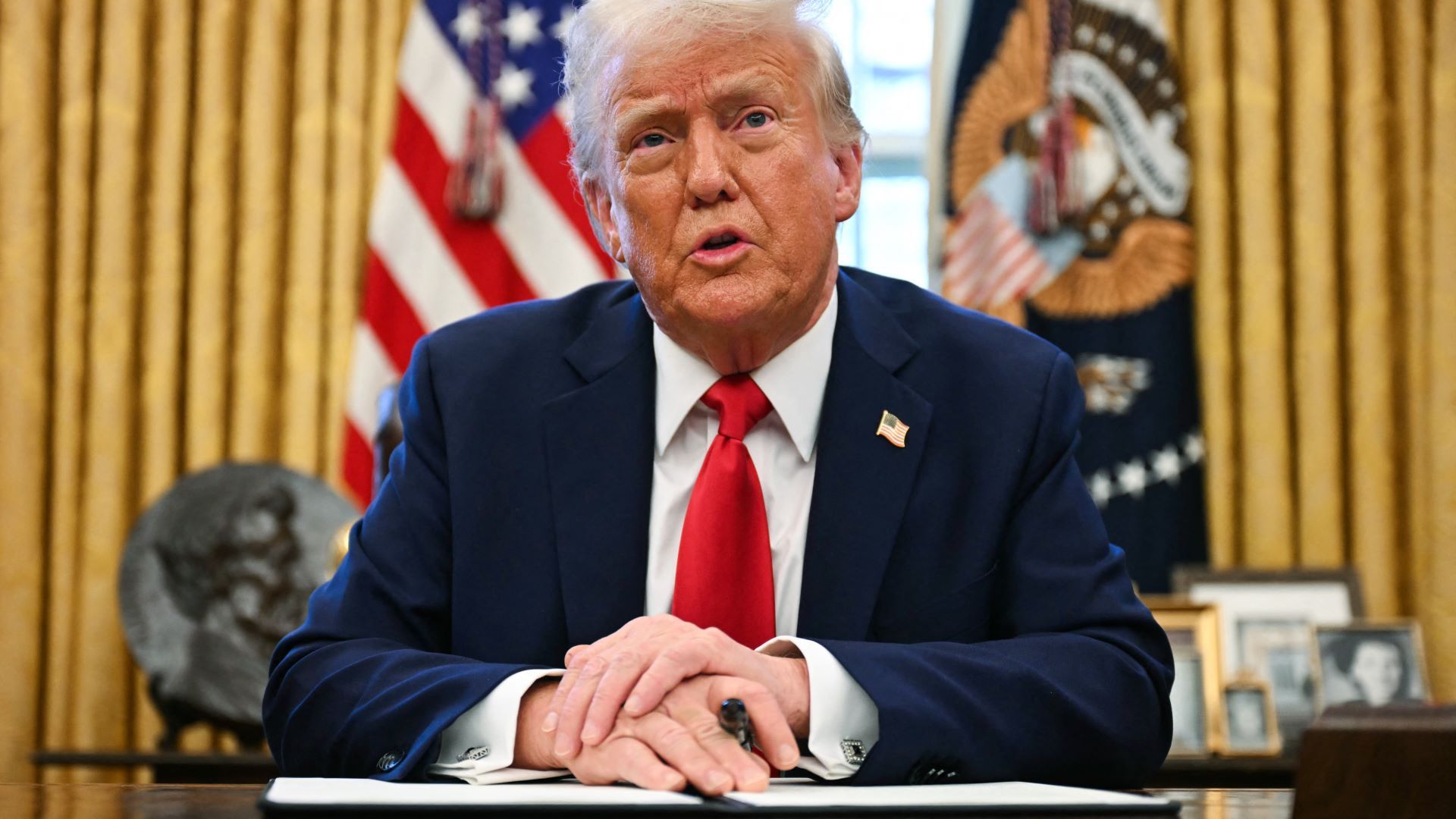
The government of the United States is said to be evaluating a major action that could transform the future of the semiconductor sector. Talks have emerged regarding the potential acquisition of as much as a 10 percent interest in Intel, a leading chip manufacturer globally. This notion illustrates the increasing worry about technological autonomy, national defense, and international competition in a domain that serves as the foundation for nearly every contemporary industry.
The proposal aligns with broader efforts to strengthen domestic chip production. Semiconductors are essential for computers, smartphones, vehicles, military systems, and countless connected devices that define modern life. The COVID-19 pandemic exposed vulnerabilities in global supply chains, particularly in semiconductors, where heavy dependence on overseas production created shortages and delays across industries. That disruption highlighted the urgency of regaining greater control over chip manufacturing.
Through investigating an investment with Intel, the United States is indicating an openness to embrace decisive actions. Instead of depending only on subsidies or tax breaks, a direct role in a prominent chipmaker might offer strategic leverage and a means to secure that manufacturing stays strong amidst global challenges. This degree of participation would also reflect a shift away from conventional non-interventionist strategies concerning tech firms.
Intel has long been regarded as a cornerstone of American innovation. Founded in 1968, the company played a crucial role in the development of microprocessors that powered the personal computer revolution. Although Intel faced challenges in recent years, including fierce competition from companies like AMD and Taiwan Semiconductor Manufacturing Company (TSMC), it remains one of the few firms with the capacity to design and manufacture advanced chips on U.S. soil. That makes it uniquely positioned in the discussion of national priorities.
The strategic implications of a potential U.S. stake in Intel cannot be overstated. Nations around the world have recognized semiconductors as a critical resource, not unlike oil or rare earth minerals. China, in particular, has poured billions into developing its own chip sector, seeking self-sufficiency and global dominance. Against that backdrop, ensuring that American companies remain leaders in chip design and manufacturing is not just an economic issue, but a geopolitical one.
Critics, however, raise concerns about government ownership of private enterprises. They argue that such intervention could blur the line between public and private responsibilities, potentially creating inefficiencies or conflicts of interest. Supporters counter that extraordinary circumstances require innovative approaches, and that the semiconductor sector is too vital to be left vulnerable to market fluctuations or international disruptions.
For Intel, the idea of government participation could bring both opportunities and challenges. On one hand, a partnership with the federal government could provide substantial resources, stability, and strategic direction. On the other hand, it could also impose added scrutiny, political influence, and expectations that might complicate decision-making. Balancing innovation, competitiveness, and national interests would be no small task.
The discussion also tackles the wider issue of industrial policy in the United States. For years, economic thought favored limited intervention, letting markets determine results. Conversely, numerous Asian and European nations have actively steered essential industries using subsidies, strategic funding, and forward-thinking planning. The possible U.S. investment in Intel signifies a move towards adopting a more proactive method to ensure technological superiority.
Una parte de este debate se enfoca en el personal. La producción de semiconductores necesita ingenieros, técnicos e investigadores con habilidades avanzadas. Al aumentar la influencia de Intel en los EE. UU., el gobierno podría ayudar a impulsar el aumento de empleos locales en sectores de alta tecnología, al mismo tiempo que invierte en programas educativos y de capacitación para fortalecer el flujo de talento. Esto beneficiaría no solo a Intel, sino también al amplio ecosistema de innovación y tecnología.
Financial aspects are equally important. Purchasing a 10 percent share in Intel would involve investing several billion dollars. Although the U.S. has already allocated considerable resources to aid the semiconductor sector via programs like the CHIPS and Science Act, acquiring direct equity would signify an even more profound engagement. This action would probably draw notable interest from global markets, analysts, and rivals.
International reactions would also be telling. Allies such as Japan, South Korea, and European nations have expressed similar concerns about semiconductor supply chains, and many have launched their own initiatives to bolster domestic capabilities. A U.S. government stake in Intel could inspire parallel actions abroad, potentially reshaping global alliances in the race for technological resilience.
From a business standpoint, Intel has detailed ambitious strategies to enhance its production capabilities. The company has revealed plans involving investments worth billions in new manufacturing facilities across the United States and Europe. These plants are designed to produce advanced chips to support technologies ranging from artificial intelligence to self-driving cars. Government participation could speed up these efforts and offer protection against financial uncertainties.
Nevertheless, obstacles persist. The semiconductor sector is well-known for its cyclical nature, characterized by peaks and troughs that challenge even the most robust firms. Government control wouldn’t protect Intel from rivals or technological challenges. Competitors are making swift progress, and the pace of innovation is at an all-time high. For the U.S., putting resources into Intel would demand a forward-looking approach, endurance, and a clear comprehension of how to harmonize business sustainability with national interests.
The broader context includes security concerns. Semiconductors are indispensable for defense systems, satellites, and communications networks. Ensuring that the United States maintains reliable access to cutting-edge chips is seen as critical for maintaining military readiness and protecting sensitive information. By supporting Intel, the government could strengthen a key pillar of national defense.
Public opinion will also play a role. Citizens have grown increasingly aware of the importance of semiconductors, particularly after shortages drove up the prices of cars, electronics, and consumer goods. Framing the potential investment as a measure to protect jobs, strengthen the economy, and enhance security could resonate positively. Yet, skepticism about government spending and corporate bailouts could fuel criticism if the initiative is not carefully explained.
The unfolding debate over Intel reflects broader tensions in global economics and politics. Technological leadership has become one of the defining issues of the 21st century, influencing trade, diplomacy, and even cultural influence. The United States, by considering such a move, is acknowledging that semiconductors are not just another commodity but a foundation for future prosperity and security.
As talks advance, the issue persists whether the government will transition from pondering to implementing. Purchasing a share in Intel would represent a significant milestone, creating a model for future interactions with private businesses. Regardless of whether it is finally adopted or dismissed, the mere fact of its consideration indicates a major transformation in how the U.S. perceives its responsibility in protecting technological superiority.
For now, the semiconductor industry continues to evolve at a breathtaking pace. Advances in artificial intelligence, quantum computing, and edge devices demand ever more powerful and efficient chips. Intel, despite its challenges, remains a central player in this landscape. If the U.S. chooses to invest directly, it would not only influence one company’s trajectory but also the balance of power in an increasingly competitive and interconnected world.
Ultimately, the argument highlights a basic fact: semiconductors are crucial to contemporary economies, and managing their creation is vital for national security and economic development. The possible U.S. involvement in Intel signifies more than just a financial deal; it showcases strategic goals in a time when technology determines both success and influence. People around the globe will keenly observe how this conversation progresses and the implications it holds for the future of worldwide innovation.