

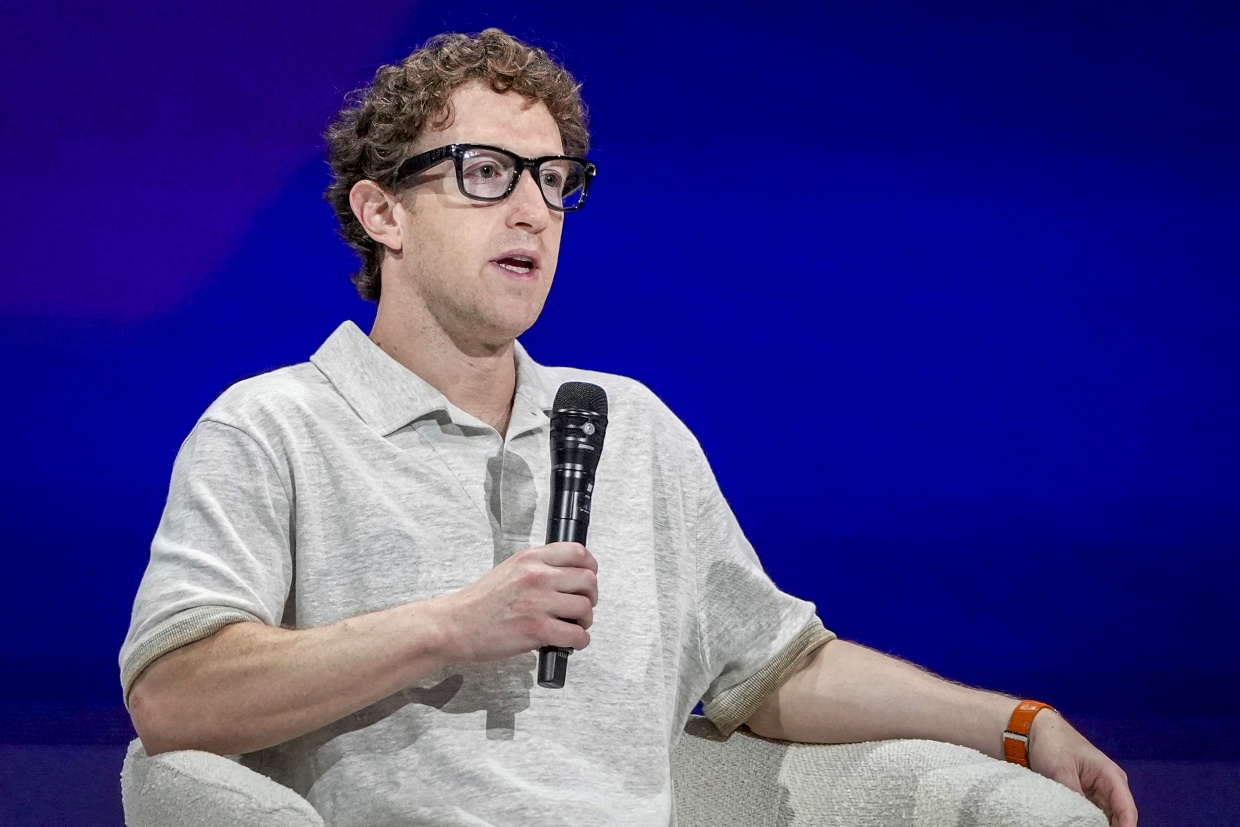
In a significant development for Meta Platforms, its founder and CEO Mark Zuckerberg, alongside current and former directors and officers, have reached an agreement to settle a lawsuit seeking a staggering $8 billion. The legal action, brought by shareholders, alleged that the defendants’ negligence led to recurring breaches of Facebook user privacy, consequently causing substantial financial harm to the company in the form of fines and legal expenditures. The settlement was disclosed to a Delaware judge on Thursday, leading to the abrupt adjournment of a trial that was poised to enter its second day.
Details of the intricate agreement have not been publicly revealed by the involved parties, and defense counsel did not address the court following the announcement. Vice Chancellor Kathaleen McCormick of the Delaware Court of Chancery, overseeing the proceedings, acknowledged the resolution and congratulated the parties on their swift consensus. According to Sam Closic, a lawyer representing the aggrieved shareholders, the settlement materialized rapidly, bringing an unexpected conclusion to a high-stakes legal battle. The timing was particularly notable given that prominent venture capitalist and Meta director, Marc Andreessen, a defendant in the case, had been scheduled to provide testimony on Thursday.
The lawsuit itself was a concerted effort by Meta shareholders to compel Zuckerberg, Andreessen, and other former high-ranking company officials, including former Chief Operating Officer Sheryl Sandberg, to personally reimburse the company for billions of dollars in penalties and legal fees incurred over recent years. At the heart of the shareholders’ claim was the assertion that the defendants’ actions, or inactions, directly contributed to the company’s repeated failures in safeguarding user data. These failures ultimately culminated in a landmark $5 billion fine levied against Facebook in 2019 by the Federal Trade Commission (FTC). The FTC’s penalty stemmed from the company’s non-compliance with a 2012 agreement specifically designed to protect the privacy of its vast user base.
The essence of the shareholders’ argument was a pursuit of individual accountability. They sought to leverage the personal wealth of the 11 defendants, arguing that these individuals, through their leadership and oversight roles, were directly responsible for the corporate missteps that led to such substantial financial liabilities for the company. The defendants, for their part, consistently refuted these allegations, labeling them as “extreme claims” and maintaining their innocence throughout the legal process. It is crucial to note that Meta Platforms itself, which rebranded from Facebook in 2021, was not a defendant in this particular shareholder derivative lawsuit. The legal action was directed solely at the individuals who held positions of power and influence within the company during the period in question.
The implications of this settlement are multifaceted. While it averts a potentially lengthy and publicly scrutinized trial, which could have unearthed further details about Meta’s internal privacy practices and corporate governance, the lack of transparency surrounding the agreement’s terms means that the full extent of accountability remains private. This outcome has drawn criticism from some quarters, particularly from advocates for greater corporate transparency. Jason Kint, the head of Digital Content Next, a trade association representing content providers, voiced his disappointment, stating, “This settlement may bring relief to the parties involved, but it’s a missed opportunity for public accountability.” This sentiment reflects a broader desire among some stakeholders for more public reckoning when large corporations face allegations of significant misconduct.
Para Meta, el acuerdo proporciona un nivel de resolución a una distracción legal considerable. Los litigios prolongados pueden desviar la atención de los ejecutivos, consumir recursos significativos y proyectar de manera constante una sombra sobre la reputación de una empresa. Al llegar a un acuerdo, el liderazgo de Meta podría ahora concentrarse completamente en sus operaciones comerciales principales, incluyendo su ambicioso giro hacia el metaverso, sus desafíos continuos en el mercado publicitario y sus esfuerzos constantes para abordar preocupaciones de privacidad que permanecen centrales en su imagen pública y relaciones regulatorias a nivel mundial.
The situation further highlights the increasing prevalence of shareholder derivative lawsuits that focus on individual executives and board members in large companies, especially within the technology sector, where data privacy has emerged as a crucial issue. These legal actions seek to hold fiduciaries personally accountable if their supposed negligence results in notable financial or reputational harm to the organizations they manage. The threat of this kind of personal accountability acts as a strong motivator for business leaders to give precedence to adhering to regulations and upholding ethical standards, particularly in domains that are sensitive and subject to stringent regulations, like user data.
Aunque no se ha revelado la contribución económica exacta de cada acusado, ni la naturaleza de compromisos no monetarios, el monto total del acuerdo – o la demanda que resuelve – indica la gravedad de las acusaciones. La cifra de $8 mil millones subraya el considerable impacto financiero atribuido a las presuntas violaciones de privacidad y las sanciones regulatorias consecuentes. Para los directores y funcionarios individuales, incluso una porción de tal responsabilidad podría resultar personalmente perjudicial, haciendo del acuerdo una opción convincente para reducir el riesgo financiero y evitar las incertidumbres de un juicio con jurado.
The wider setting of this legal case is Meta’s ongoing battle with privacy issues. From its beginning, Facebook, now known as Meta, has been under constant examination regarding its data management methods. Events like Cambridge Analytica and the following FTC penalty have greatly diminished public confidence and resulted in increased regulatory control worldwide. Although this particular legal case concentrated on previous alleged wrongdoings and their economic impact on the company, the core matters of data privacy and corporate accountability continue to be crucial in Meta’s persistent difficulties and its attempts to restore its reputation.
The outcome of this situation, despite not being completely transparent, hints at a practical stance from both parties to prevent extended doubts and expenses tied to an extensive court process. For the shareholders, reaching an agreement secures a return for the company, though derived from individuals, without the uncertainties associated with a trial. For the defenders, it offers a way out of possible personal verdicts, open court statements, and additional harm to their reputation.
Although the precise effects on Meta’s management systems or upcoming privacy measures are not immediately apparent from the settlement announcement, the actual presence of this lawsuit and its conclusion will probably act as a strong warning to the company’s executives about the financial and legal consequences of privacy failings. The story ends not with a clear-cut court decision on guilt or innocence, but with a private deal that ends a chapter of intense legal confrontation for some of the key players in the tech industry.