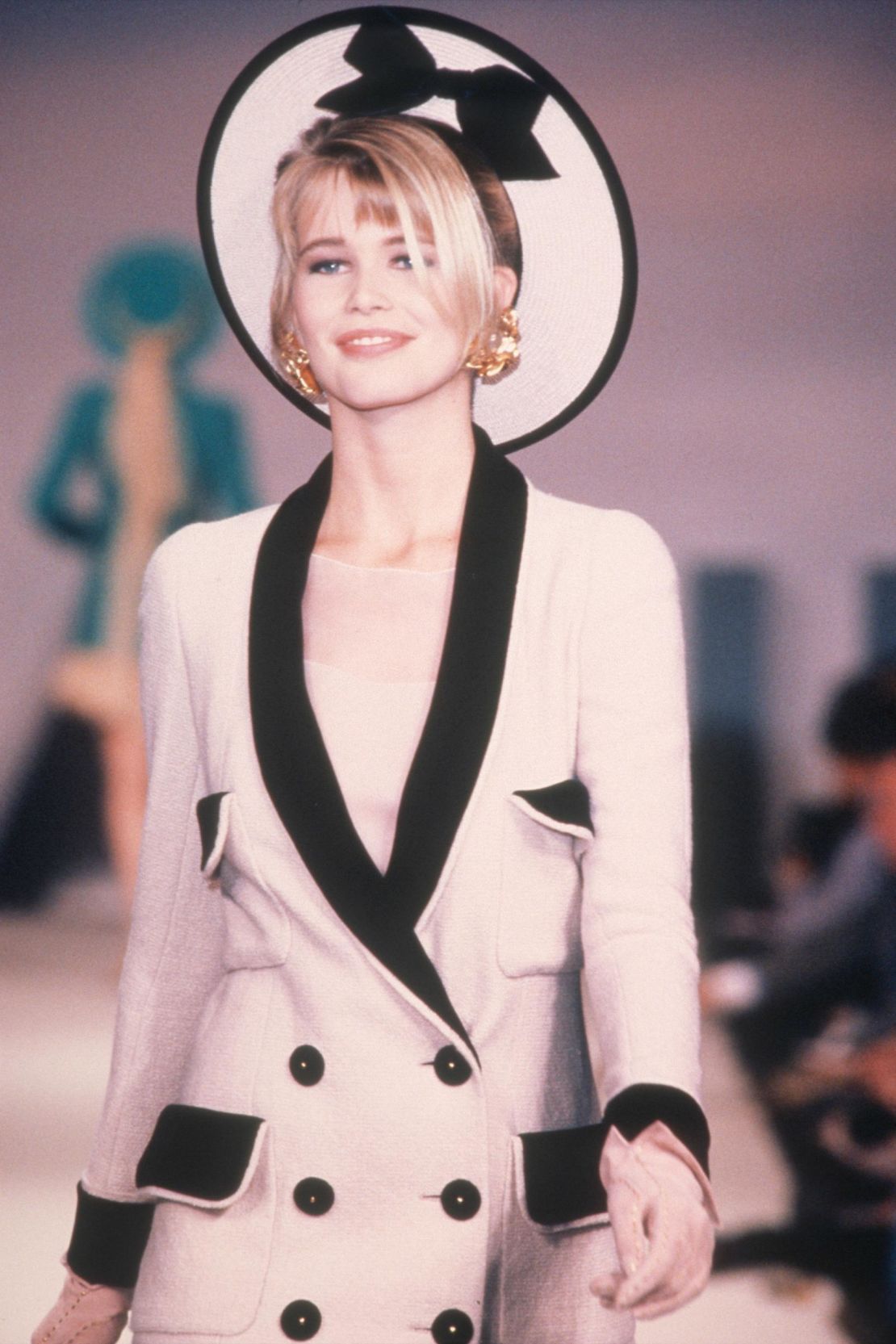


Calvin Klein, long linked with elegant simplicity and bold marketing strategies, is embarking on a new era under the creative direction of Veronica Leoni. Recognized for her elegant style and considerate approach to contemporary fashion, Leoni introduces a unique vision to the renowned American label—one that respects its heritage while gently transforming its image for today’s audience.
Leoni’s entry has sparked considerable attention within the fashion world, not just due to her successful history with renowned brands, but also because of the importance of the legacy she currently manages. Calvin Klein has always been a cultural benchmark, influencing views of American fashion with its sleek designs, provocative visuals, and daring advertising methods. Revamping this kind of brand presents both potential and examination, and Leoni appears to be acutely conscious of the equilibrium needed.
Instead of choosing a complete transformation, Leoni seems to focus on perfecting the existing elements. Initial glimpses of her creations reveal a focus on custom-fit shapes, meticulous design, and sophisticated essentials—pieces that are grounded in the brand’s legacy yet designed for contemporary users. Her work exudes a calm self-assurance, the type that doesn’t require loud statements to draw notice. This marks a gentle transition from previous periods when sensationalism and fame took the spotlight.
This adjustment might be a tactical reaction to the present fashion environment, which values genuineness and meaningful content above flamboyance. Today’s consumers are increasingly conscious of excellence, eco-friendliness, and durability. Leoni’s strategy appears to harmonize with this change, providing apparel that is both fashionable and crafted for lasting use. Employing organic materials, sophisticated color schemes, and well-considered sizing indicates a commitment to producing classic pieces instead of being led by temporary trends.
Leoni faces the challenge of balancing Calvin Klein’s established identity with the shifting demands of a younger audience. The brand is recognized for its distinct visual style—its bold advertisements, simple logos, and sometimes provocative images are well-known in the fashion world. While respecting this design heritage, Leoni seems to be creating a new direction focused more on presence than on provocation.
Experts in the industry have observed that Leoni’s projects up to this point demonstrate an architectural approach to design, probably shaped by her experience in both the fashion and art realms. There is a balance between structure and delicacy—precise tailoring is complemented by flowing lines, and timeless items are reimagined with subtle creativity. These details suggest a developing style that honors tradition while being uniquely her own.
The excitement surrounding her initial launch isn’t solely due to media promotion. Purchasers and editors who have reviewed the opening designs mention a unified concept that appears thoughtful and commercially sustainable. There’s curiosity not just in the direction of womenswear, but also in how her impact might extend across Calvin Klein’s wider product lines, such as menswear, denim, and accessories. A unified brand story, guided by one creative leader, might revitalize Calvin Klein’s position in a competitive worldwide market.
The fashion house is familiar with the concept of change. Over the years, it has evolved and transitioned, sometimes significantly, to accommodate new trends and leadership. From Calvin Klein’s own prominent impact to the bolder path set by past creative leaders, the brand has explored the limits of its minimalist essence. Leoni’s approach seems more cautious, focusing less on breaking limits and more on reinforcing its foundations.
There’s also the question of brand culture, which extends beyond clothing to how a label communicates and interacts with its audience. In a landscape increasingly shaped by digital platforms, inclusivity, and conscious consumption, Leoni’s leadership will likely impact more than just design. Brand tone, marketing campaigns, and sustainability initiatives may all reflect her influence over time, building a Calvin Klein that speaks to both heritage and progress.
Her involvement coincides with a period in which the fashion sector is reevaluating its connection to identity, gender, and representation. Calvin Klein has traditionally engaged with these subjects—frequently in bold ways—and the manner in which Leoni will manage this domain is yet to be determined. Initial indications point towards a more thoughtful method, featuring creations that aim to convey meaning not through surprise, but via deliberation and accuracy.
Este cambio puede atraer a un grupo que valora el significado por encima del mensaje. La moda se ha transformado en un medio para narrar historias, y el trabajo de Leoni sugiere una narrativa basada en la moderación, la sofisticación y la claridad. Ya sea a través de un gabán renovado, un traje perfectamente equilibrado, o una línea de básicos redefinida, su visión parece dar prioridad a la integridad sobre la moda efímera.
Retail partners, too, are watching closely. A successful creative refresh has the potential to elevate Calvin Klein’s performance in key markets, both in stores and online. If Leoni’s designs translate well from runway to rack, the brand could regain ground in premium segments while attracting new customers seeking refined essentials. Strong creative direction often leads to stronger brand alignment across products, pricing, and presentation—an outcome Calvin Klein likely hopes to achieve.
Though still early in her tenure, Veronica Leoni has introduced a sense of direction that many feel the brand has lacked in recent years. There’s a quiet discipline to her work, an insistence on purpose and coherence that resonates in an industry often marked by rapid turnover and shifting priorities. This steadiness may prove to be her most valuable contribution: not just reinventing Calvin Klein, but grounding it.
In the months to come, all eyes will remain on how Leoni builds upon this initial momentum. As new collections are unveiled and brand initiatives unfold, her influence will become clearer—not just in silhouettes and fabrics, but in how Calvin Klein communicates its relevance to today’s consumers. A successful reinvention doesn’t erase the past; it reinterprets it. And under Veronica Leoni’s guidance, Calvin Klein appears poised to do just that—with poise, precision, and purpose.