

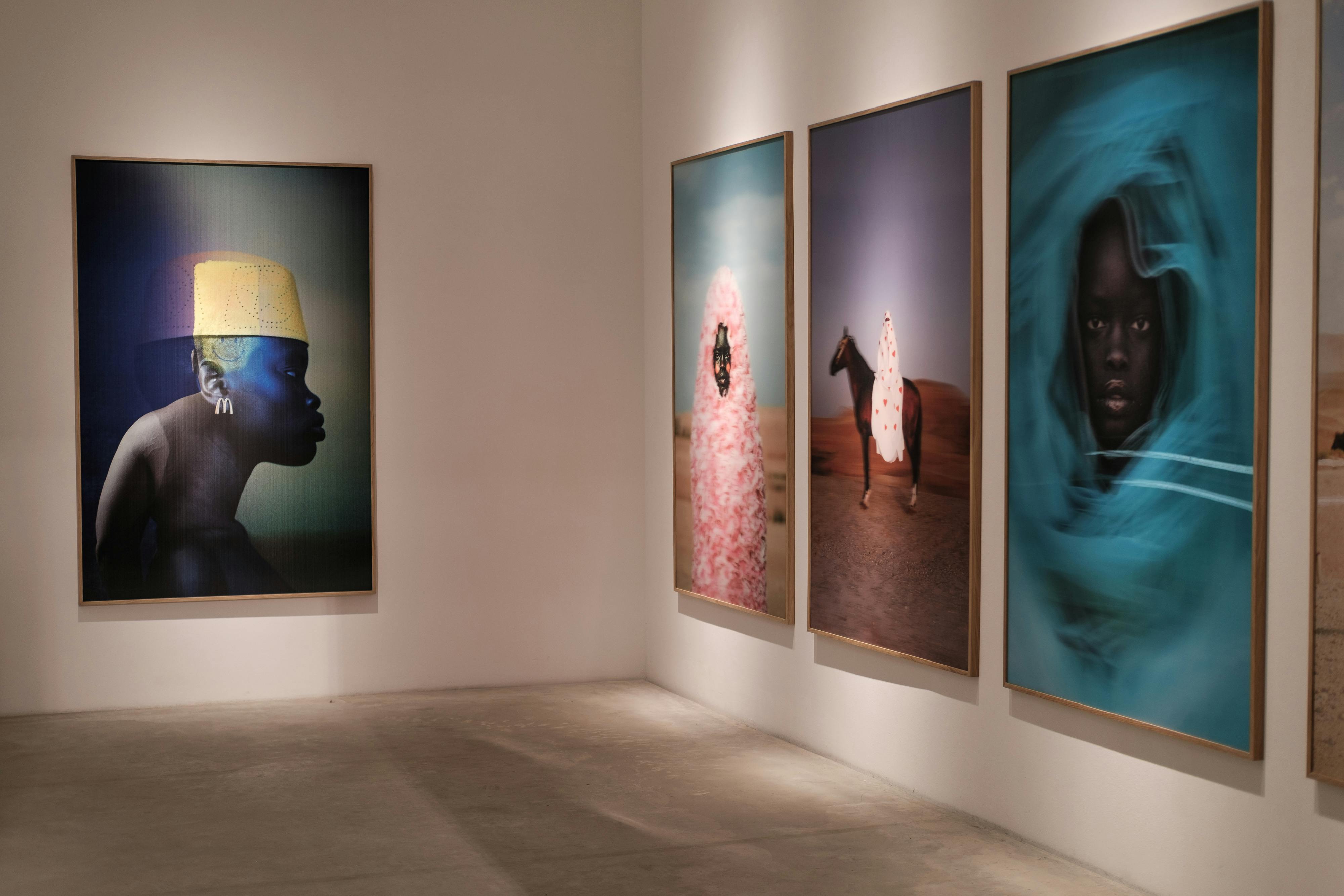
A figure known as much for anonymity as for artistic impact has resurfaced with a new exhibition hosted at a public library, reigniting interest and speculation within the local arts community. The artist, whose work has long stirred curiosity and conversation, presents a fresh collection that continues to blur the line between visibility and mystery, inviting viewers to interpret both the art and its maker on their own terms.
The latest exhibition, unveiled quietly without the usual fanfare of press releases or social media campaigns, is marked by the same subtle yet resonant style that has defined the artist’s previous displays. While the identity of the creator remains unknown, the works on view speak volumes—through intricate compositions, unconventional materials, and layered messaging that encourages deeper reflection.
Displayed throughout the library’s main gallery space, the pieces span a variety of mediums, including sculpture, mixed media, and conceptual installations. Each work appears to stand alone, yet when viewed collectively, they form a narrative thread about time, perception, memory, and the intersections of public and private life. In an era dominated by fast consumption of visual content, the exhibition invites a slower, more deliberate engagement.
Visitors entering the exhibit are met with a sense of quiet immersion. There are no titles on the walls, no descriptive placards, and no official artist statement. Instead, the display is accompanied by an open journal in the center of the space, where attendees are encouraged to write their impressions, interpretations, or questions—continuing a participatory approach that has become a hallmark of the artist’s methodology.
Library staff report that the exhibition has already drawn an eclectic crowd. Students, art lovers, and curious passersby have all spent extended periods walking through the installation, many returning multiple times. Some visitors recognize thematic parallels with earlier installations rumored to be the work of the same creator, while others are discovering the artist for the first time and captivated by the direct emotional resonance of the pieces.
This isn’t the first time the artist’s work has appeared unexpectedly in a public venue. Over the past decade, sporadic exhibitions in community centers, alley walls, and disused storefronts have led to a kind of urban folklore surrounding the anonymous figure. Though the formats vary, the core ethos remains consistent: accessibility over exclusivity, presence without personal publicity.
The decision to use a library as the venue for this latest show is an intentional move. Libraries have long been spaces associated with quiet exploration, collective learning, and open conversation—values that resonate with the show’s atmosphere. By choosing this location, the artist appears to question the traditional hierarchy of art venues, highlighting that creativity should be accessible everywhere, not confined to gallery walls or under exclusive lights.
Among the most discussed artworks is a collection of hanging items crafted from repurposed books, reshaped into fragile forms that appear to hover in space. The sculpture encourages various interpretations: as a reflection on the vulnerability of knowledge, as a statement on the lasting quality of tales, or possibly as an homage to the library itself as a guardian of shared history. In another area, an installation using pieces of handwritten letters, partly charred and sewn together, evokes themes of loss, perseverance, and the incomplete aspect of personal stories.
Although the creator’s identity and presence are unknown, the piece is notably personal. It prompts observers to question their beliefs regarding who created it and its genuineness, urging them to concentrate more on the content than on the creator. This anonymity transforms into a component of the artwork—an intentional omission that encourages a more engaged interaction from the viewers.
The involvement of the community has played a key role in the exhibition’s achievement. Local educational institutions have included visits in their arts programs, motivating pupils to ponder on the significance of creating without recognition. Conversations organized by the library have promoted dialogue across generations, as attendees with diverse backgrounds express how the pieces of art relate to their personal experiences.
The temporary nature of the exhibition adds another layer of meaning. Without commercial promotion or promises of permanence, the work exists within a specific moment in time, much like the themes it explores. It offers something quietly revolutionary in today’s cultural landscape: art that is immediate, unbranded, and openly shared with no strings attached.
As the exhibition continues to attract attention, speculation about the artist’s identity naturally intensifies. Some believe the work to be the product of a collective, rather than a single individual. Others suggest it may be a well-known artist choosing to experiment under the cover of anonymity. Yet for many, the absence of biographical detail only enhances the experience, allowing the work to speak on its own terms, unfiltered by personality or fame.
This unique showcase invites attendees to not only observe but also participate, contemplate, and possibly become creators themselves. In an art scene frequently focused on fame and grand displays, this subtle comeback highlights that impactful art doesn’t necessitate being seen—it merely needs to be present.
As the final day of the exhibition approaches, the conversation it has sparked continues to grow. Whether or not the artist behind it ever steps forward, their work has already succeeded in its aim: to disrupt expectation, to invite reflection, and to prove that mystery, when paired with meaning, can be one of the most powerful tools in contemporary art.